Tools
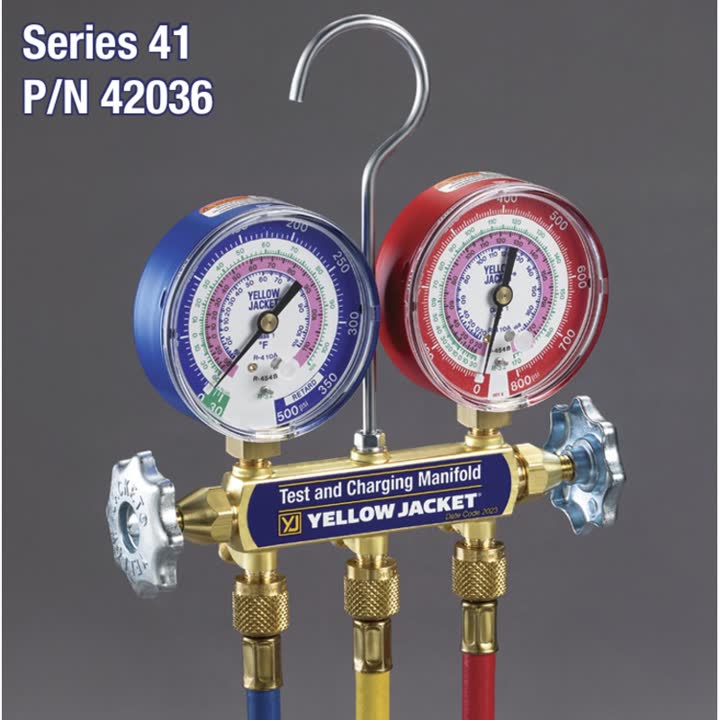
Yellow Jacket 42036 Series 41 manifold
Series 41 manifold with 3-1/8 inch gauges and a 60-inch PLUS II hose set, scaled for R-32, R-454B, and R-410A. The brass bar that should already be on the truck, with a spare in the cage.
As an Amazon Associate I earn from qualifying purchases. Affiliate disclosure
Loading the stock list…
One Stop Shop Stock
Search by the name a tech would use, or filter to one aisle. Every button opens that part on Amazon.
Category filters
155 parts in the catalog
Series 41 manifold with 3-1/8 inch gauges and a 60-inch PLUS II hose set, scaled for R-32, R-454B, and R-410A. The brass bar that should already be on the truck, with a spare in the cage.
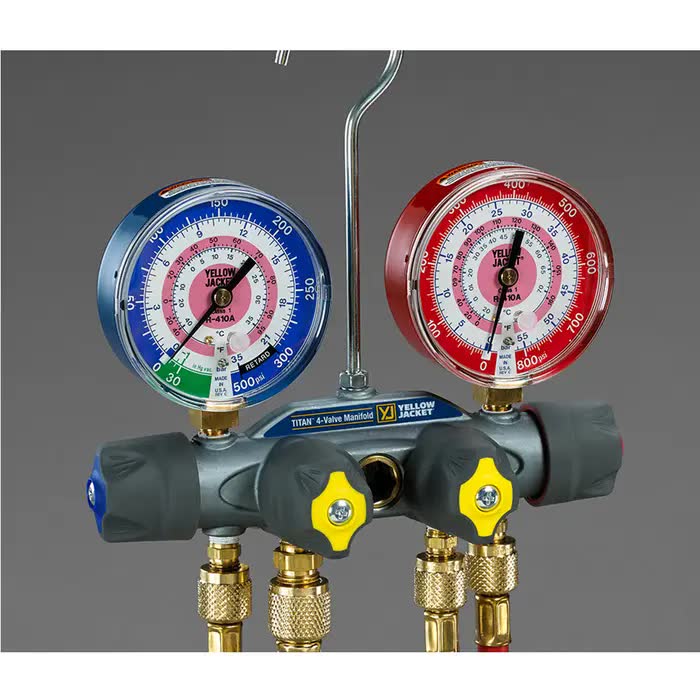
Four-valve TITAN manifold with gauges, a color hose set, and a 3/8 inch vacuum hose. Use it when you want a dedicated vacuum port instead of borrowing the center hose.
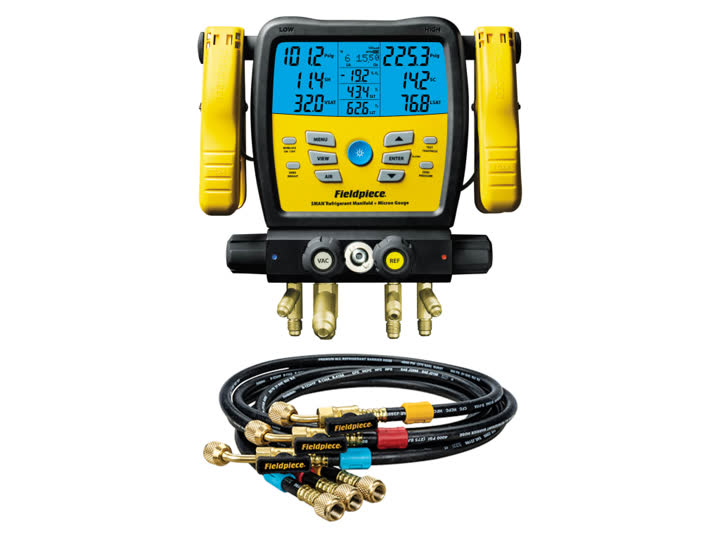
Four-port SMAN with a large display, micron readings, and pipe clamps in the case. The digital manifold for techs who are done squinting at fluttering needles.

Job Link pressure probes for charging without hanging a manifold on every mini-split. Pair them with a phone when the condenser is on a roof and the gauges are not.
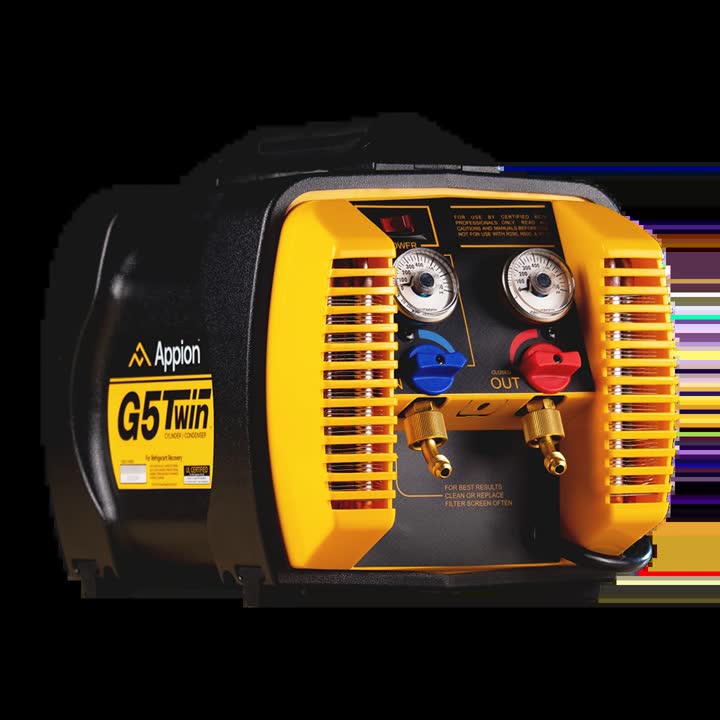
Twin-cylinder recovery machine for the residential refrigerants still on most calls. Fast enough that it earns a permanent spot next to the charging scale.
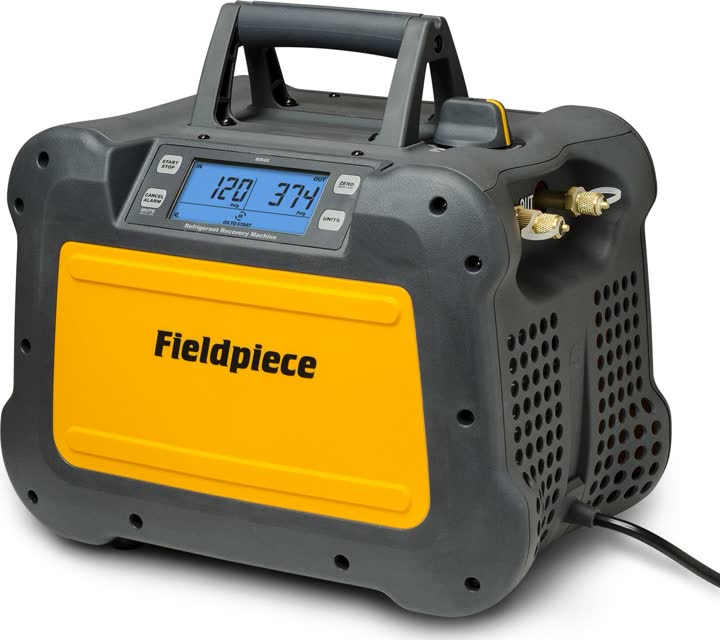
Compact recovery machine with a self-purge and selectable auto-stop. A second machine so a truck is not down when the primary one is in the shop.
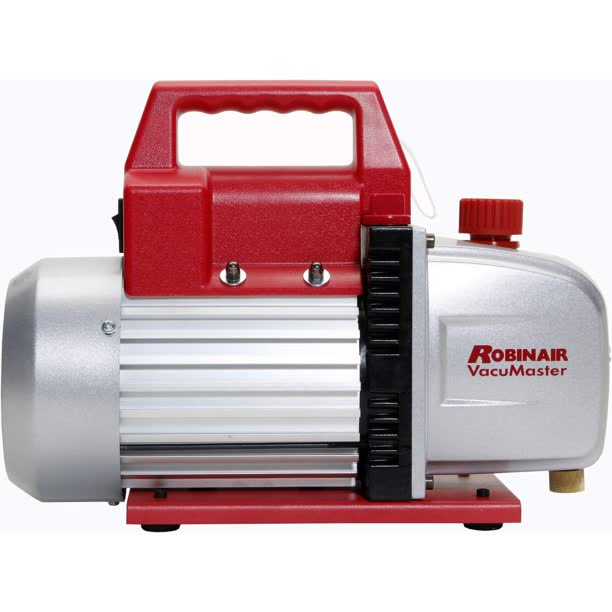
Two-stage 5 CFM pump with 1/4 inch, 3/8 inch, and 1/2 inch ACME intakes. The everyday evacuation pump for split systems and changeouts.
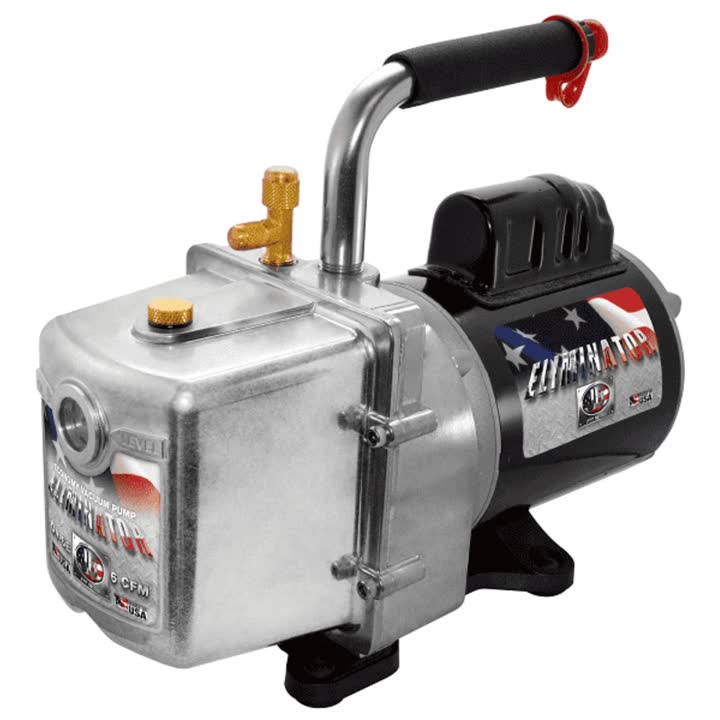
Two-stage 6 CFM Eliminator pump for techs who want a little more displacement than a 5 CFM on long line sets and multi-zone systems.

8 CFM Fieldpiece pump with a large oil sight and multiple flare intakes. Park it in the cage for the days the truck pump is already on a job.
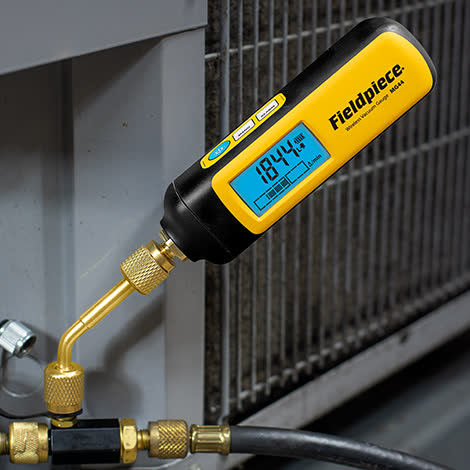
Wireless vacuum gauge that shows the decay, not just a number that looks good while the pump is running. Hang it at the system, not at the pump blank-off.
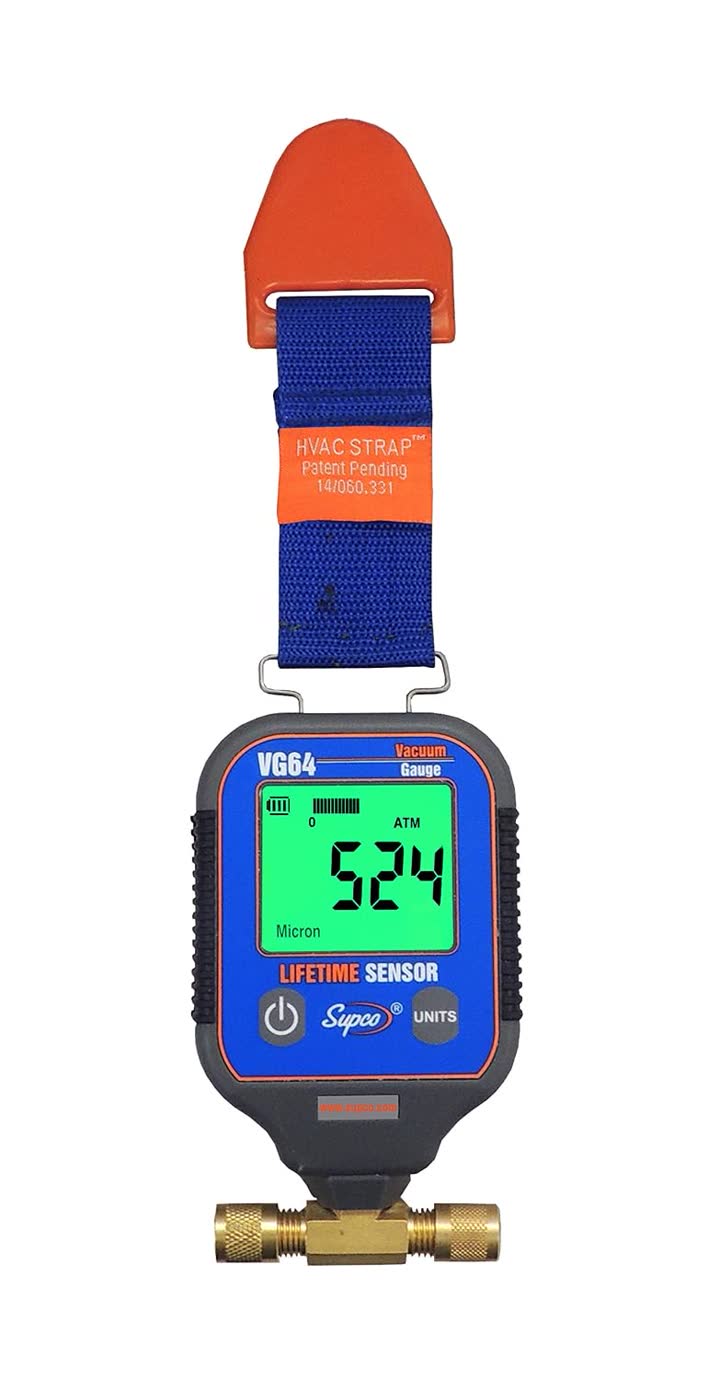
A straightforward digital micron gauge for the second truck. It does one job: tell you whether the system is actually dry.

Wireless charging scale with a platform big enough for a recovery cylinder. Charge and recover by weight instead of by hope.
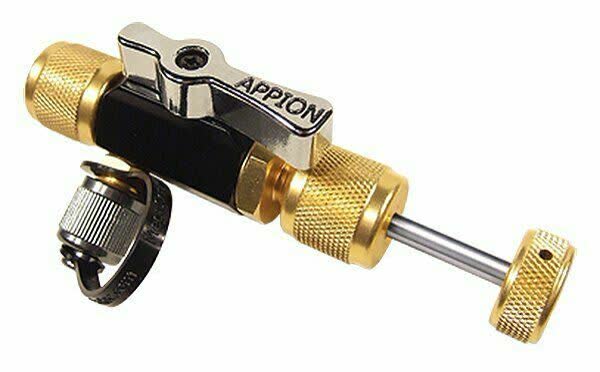
1/4 inch core remover so vacuum and recovery are not strangled by a Schrader. One lives in every evacuation bag.
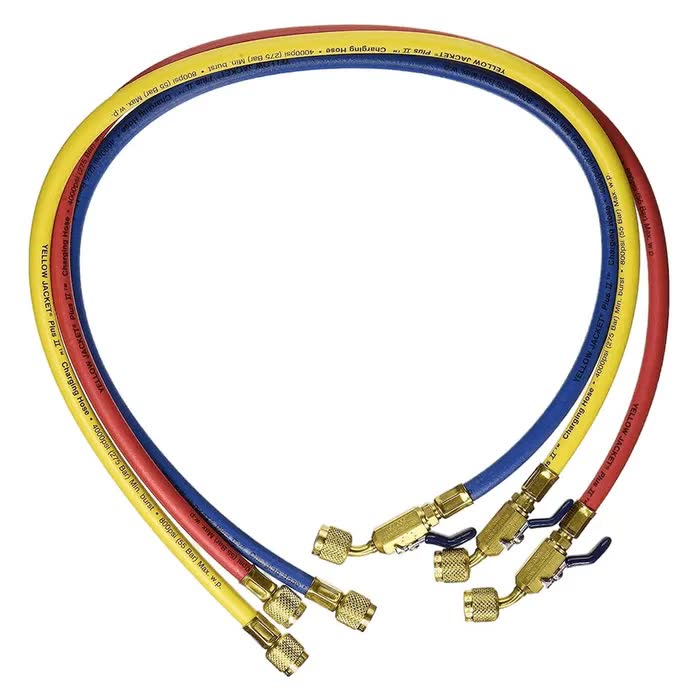
Replacement RYB charging hoses, 60 inches, with 1/4 inch flare ends. Retire a hose the day the barrier starts checking bad instead of taping it.
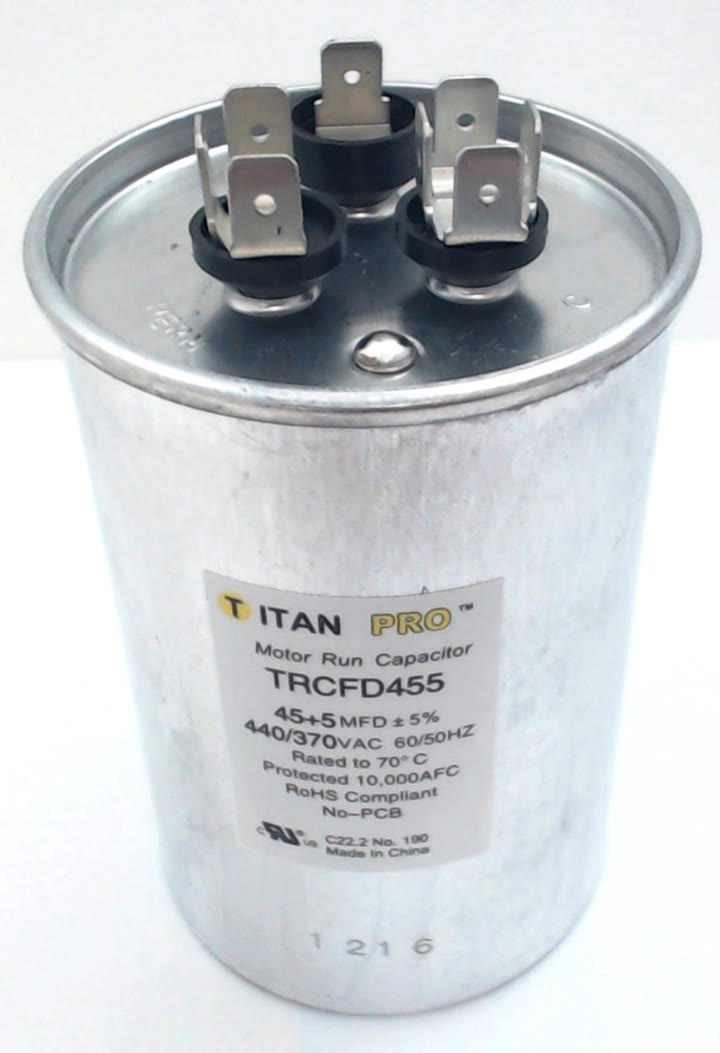
45/5 MFD, 440/370 volt round dual run capacitor. The value that disappears first in July. Keep a stack, not a single spare.
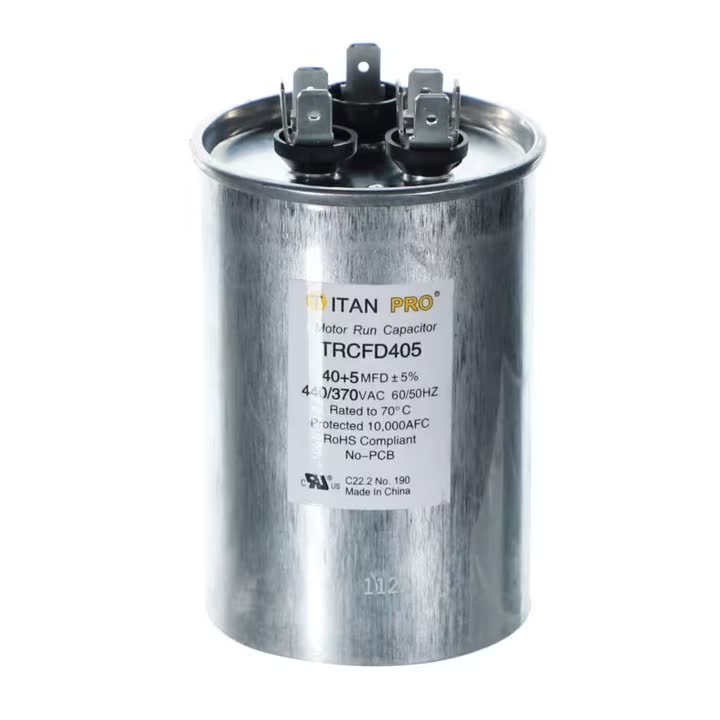
40/5 MFD round dual run capacitor for the condensers that are not quite a 45/5. Label the bin so nobody grabs the wrong can.
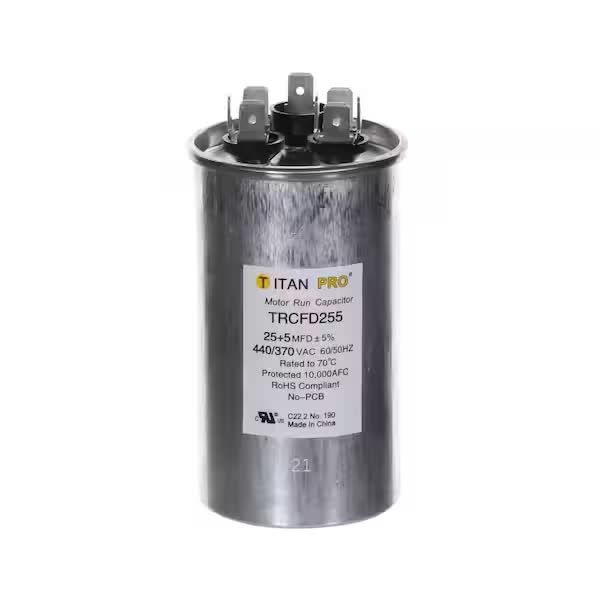
35/5 MFD round dual run capacitor. Smaller tonnage condensers and a lot of package units still ask for this exact value.
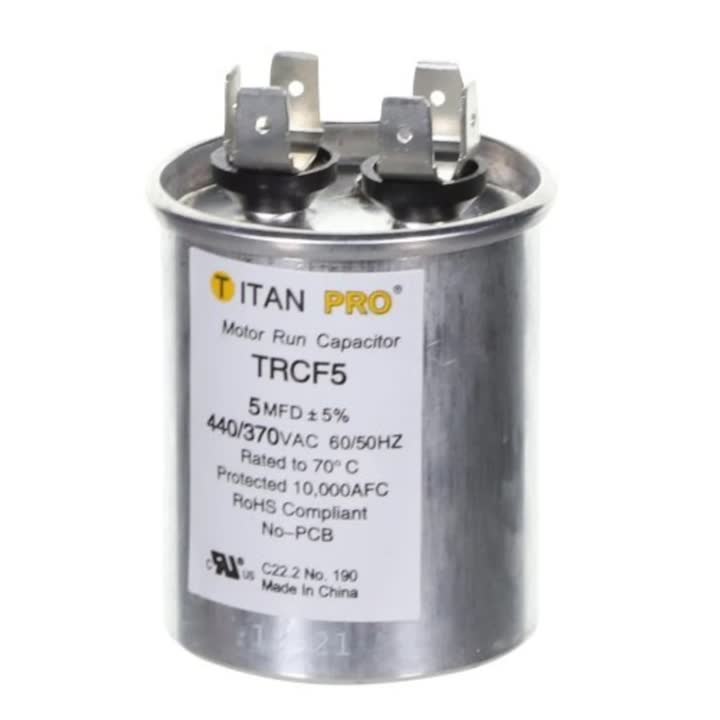
5 MFD oval or round fan-motor run capacitor at 440 volts. Condenser fan motors eat these, and the symptoms look like a bad motor until you test it.
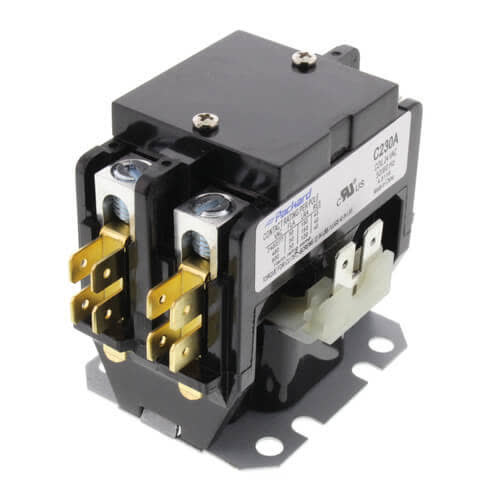
Two-pole definite purpose contactor, 30 amp, 24 volt coil. Pitted points on a July afternoon should be a bin pull, not a supply-house run.
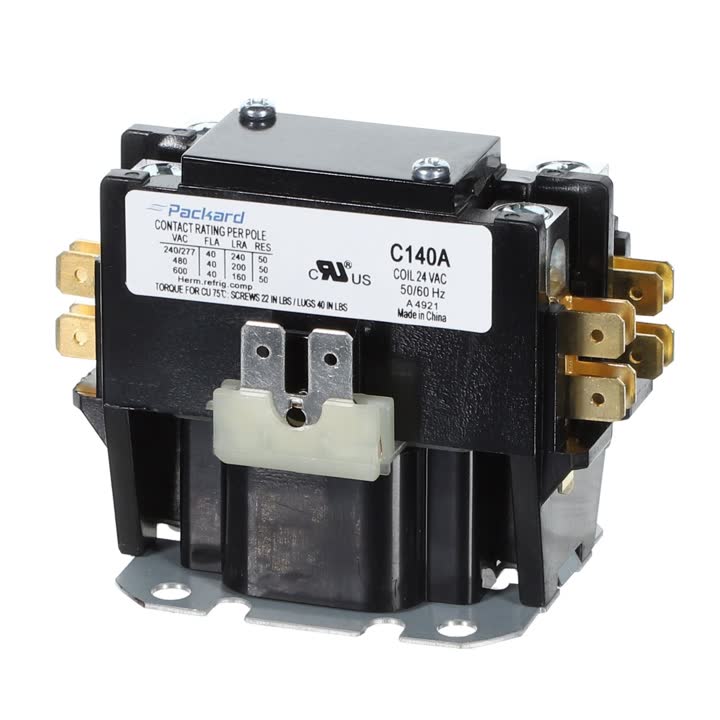
Single-pole 40 amp contactor with a 24 volt coil for the furnaces and air handlers that switch only one leg.
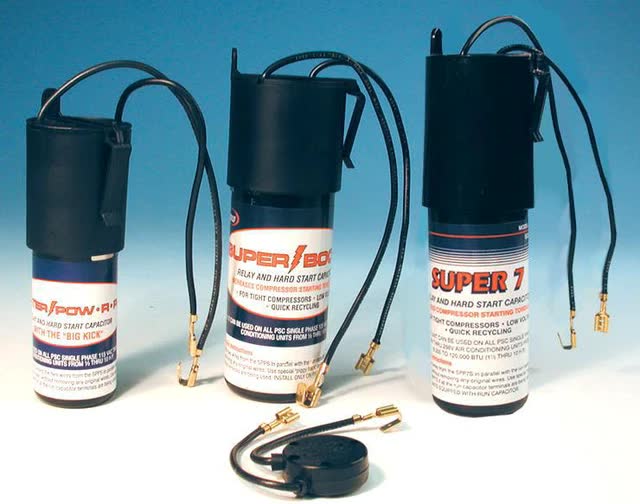
Two-wire hard start kit for single-phase compressors that groan and trip on a hot start. Stock it before a customer asks you to keep resetting the breaker.
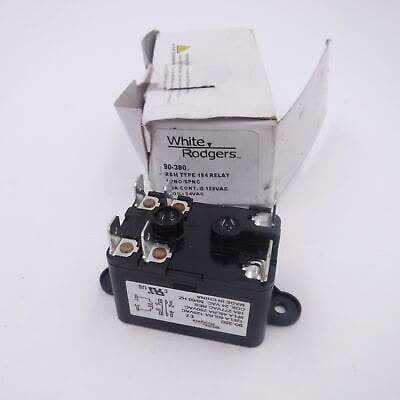
24 volt switching relay for blower and fan circuits. A seized relay is a no-cool call that is fixed from the electrical bin.
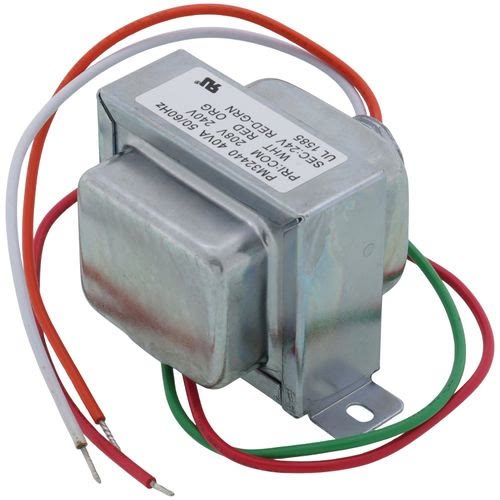
40 VA multi-mount transformer, primary 120/208/240 to a 24 volt secondary. Undersized transformers cook themselves the week a new thermostat goes in.
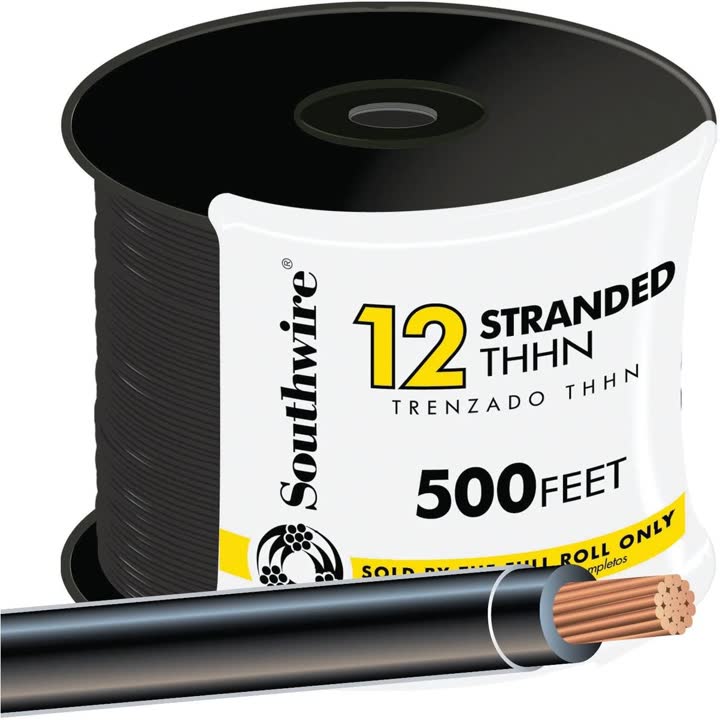
Stranded 12 gauge THHN for whip repairs, disconnects, and the condenser circuit you should not be splicing with whatever is on the truck.

Eighteen-gauge, eight-conductor thermostat cable. Pull eight even when the stat only needs five, so the next add-on is not another fishing job.
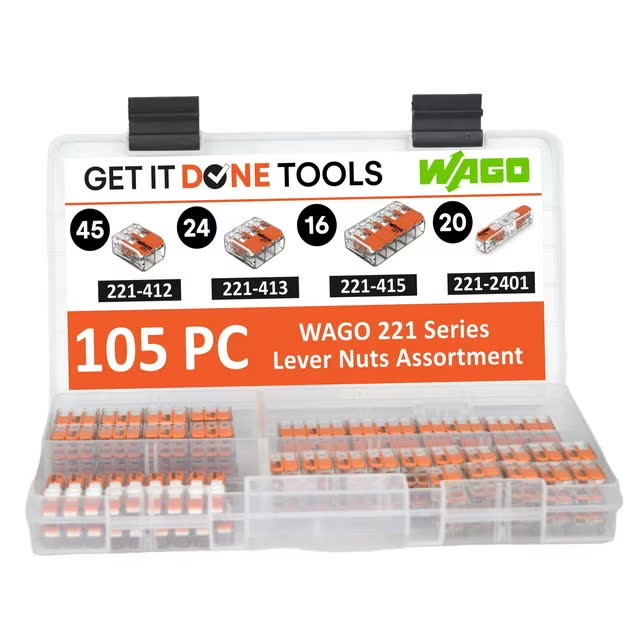
Lever connectors for control wiring and the occasional whip splice you can actually reopen. Faster than wire nuts when the panel is full.
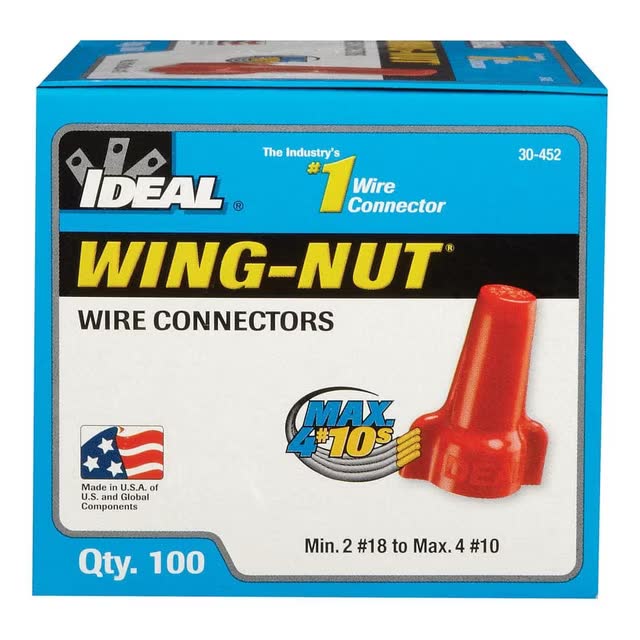
A jar of winged wire connectors in the sizes control cabinets actually use. Replace the melted orange one instead of reusing it.
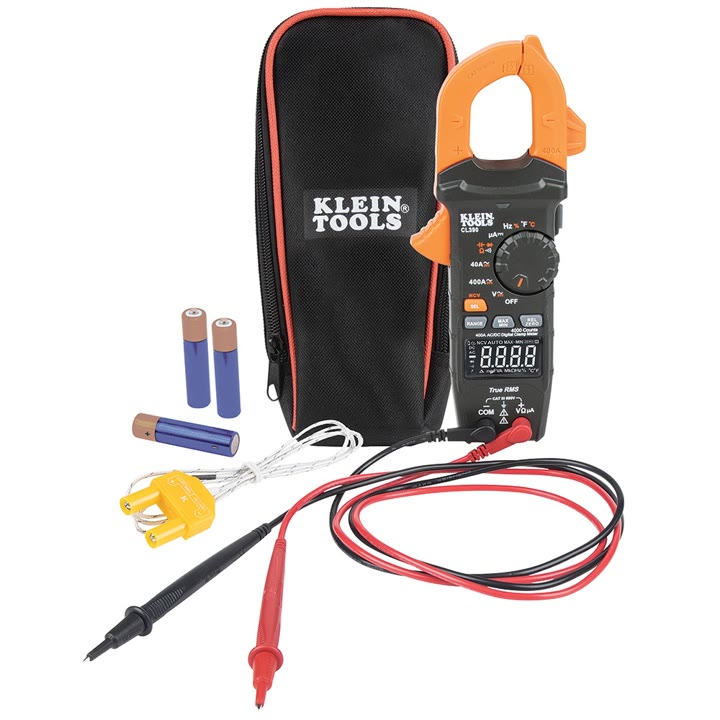
Clamp meter that reads the capacitor value in circuit and the amp draw on a compressor common. This is the meter that lives in the truck, not the drawer.
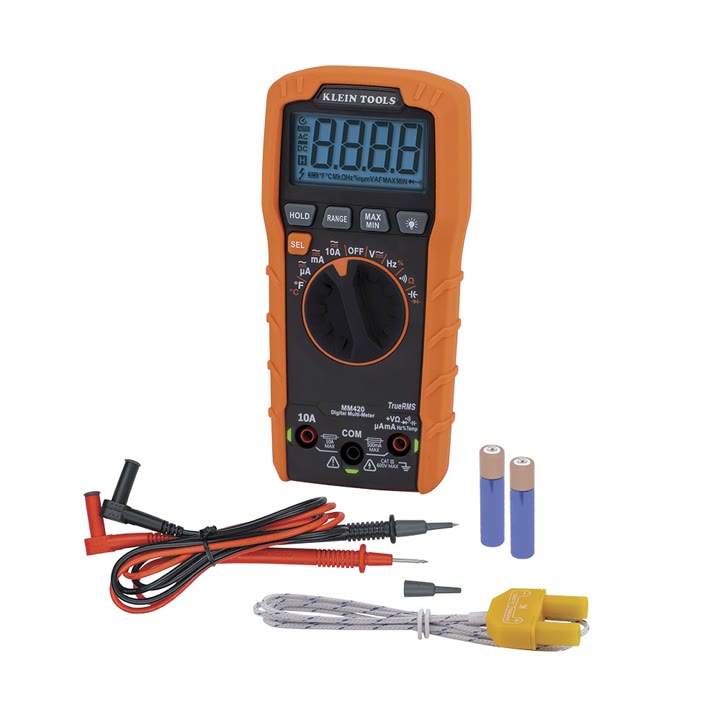
True-RMS meter for control voltage, continuity, and the flame-sensor microamp reading a clamp will not do well. Keep one as the bench meter.
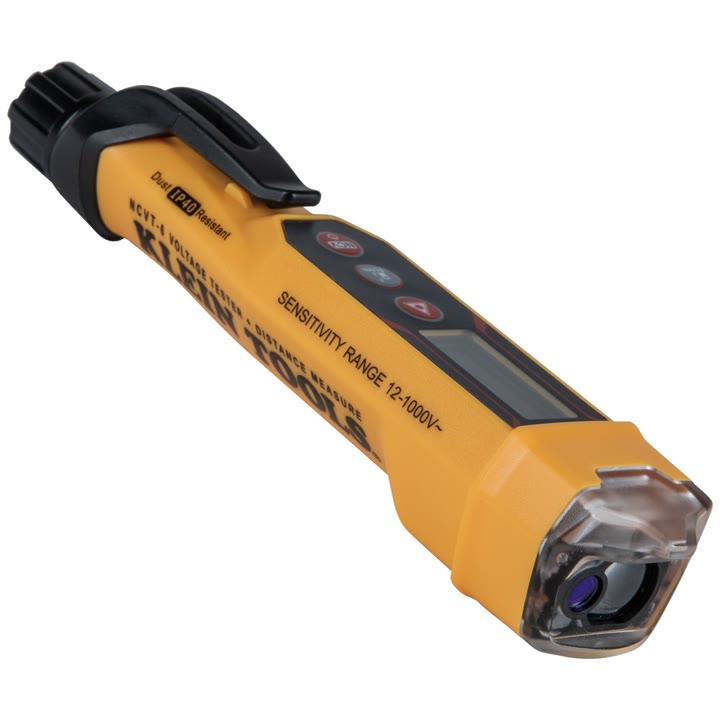
Non-contact tester for a quick check before you pull a disconnect or open a cabinet. It is not a meter, and every helper should still have one.

Insulated female spades, rings, and butts from 22 to 10 AWG. Contactor coils and capacitor leads fail at the terminal more often than in the wire.
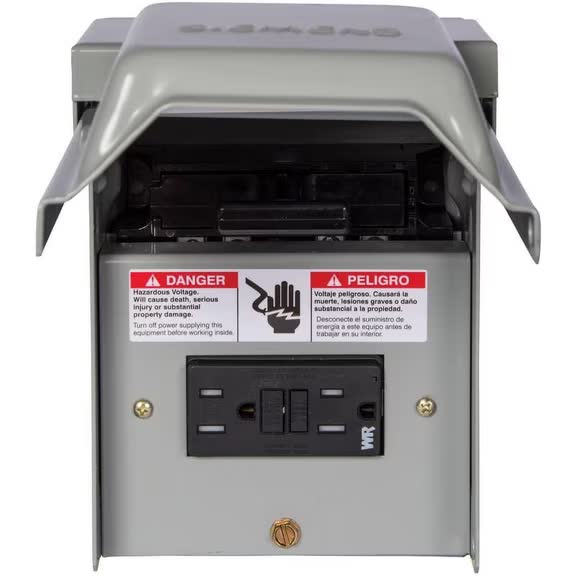
NEMA 3R pull-out disconnect, 60 amp, non-fusible. The rusted disconnect at the condenser is a stock part, not a special order.
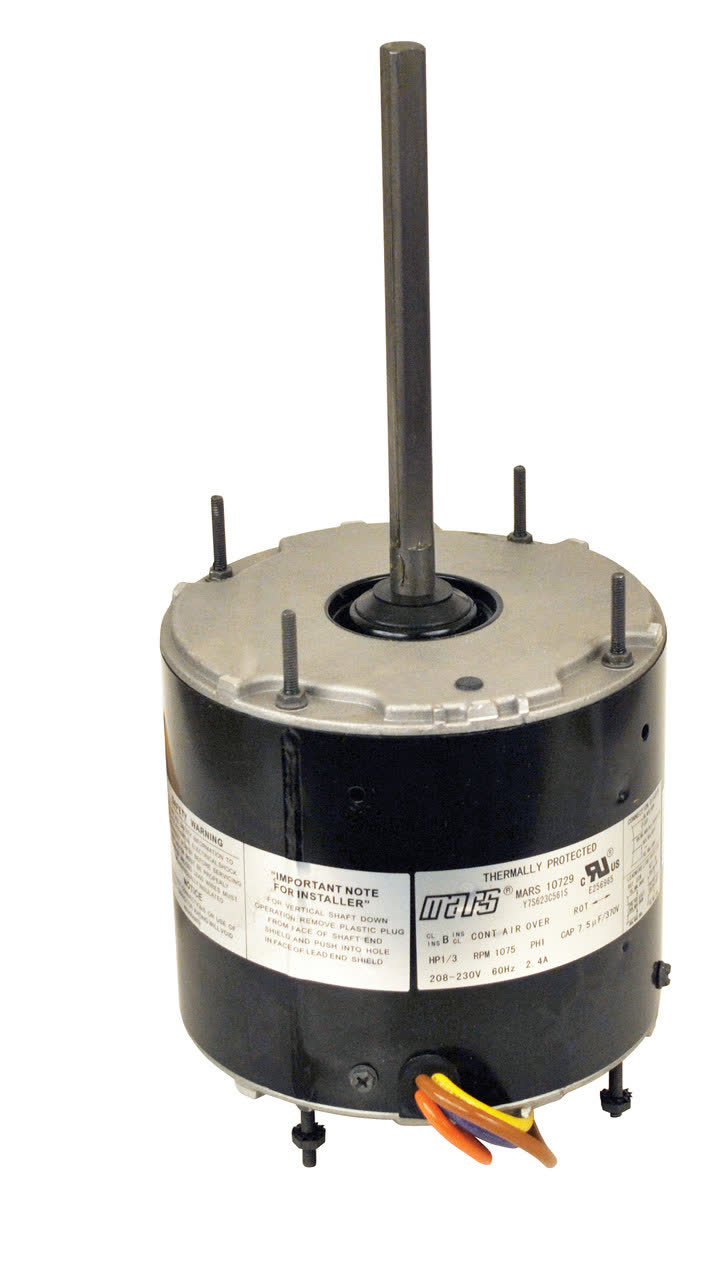
208-230 volt, 1/4 horsepower, 1075 RPM condenser fan motor with a reversible rotation plug. The motor you change when the blade spins free and the compressor is fine.
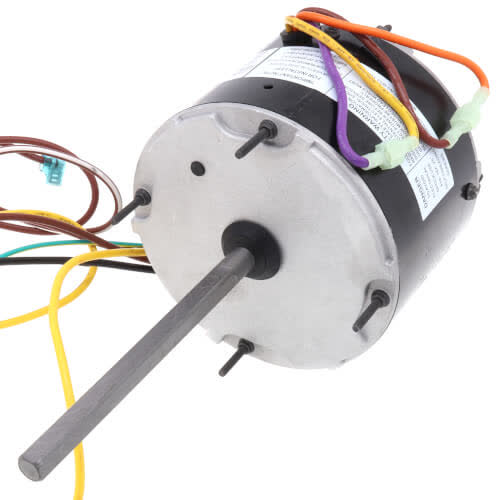
208-230 volt, 1/6 horsepower condenser fan motor for the smaller residential condensers. Do not substitute a 1/4 and hope the mount lines up.
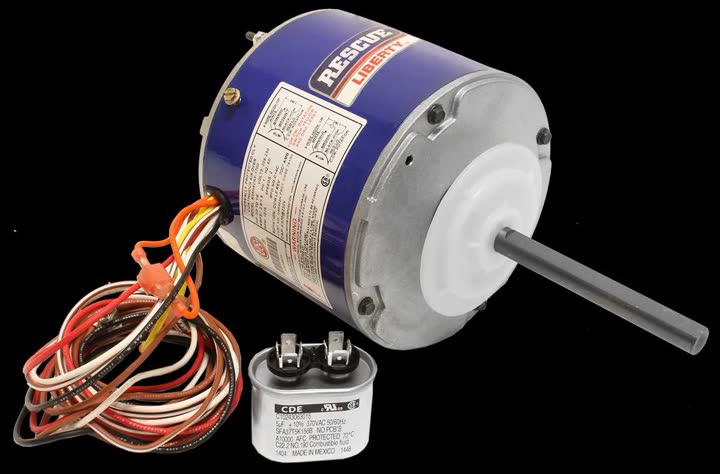
Rescue motor that covers a band of horsepower and rotation so one box can finish the call. Read the wiring chart on the carton before it goes on the truck.
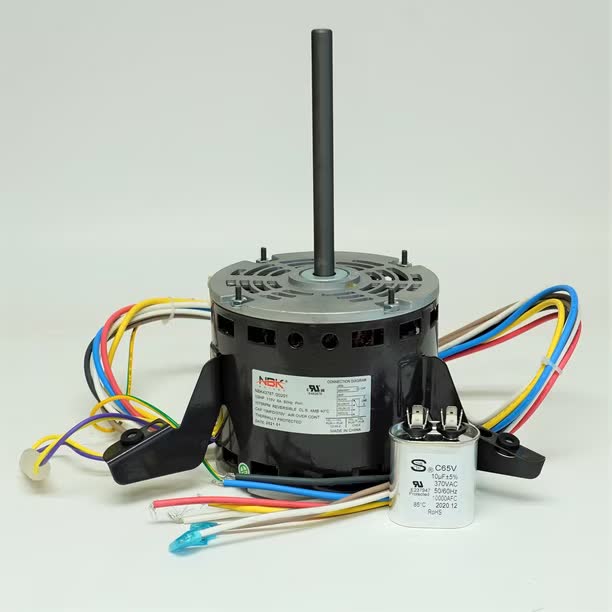
115 volt, 1/2 horsepower direct-drive blower motor for furnaces and air handlers. Confirm rotation and capacitor size before you button the panel up.
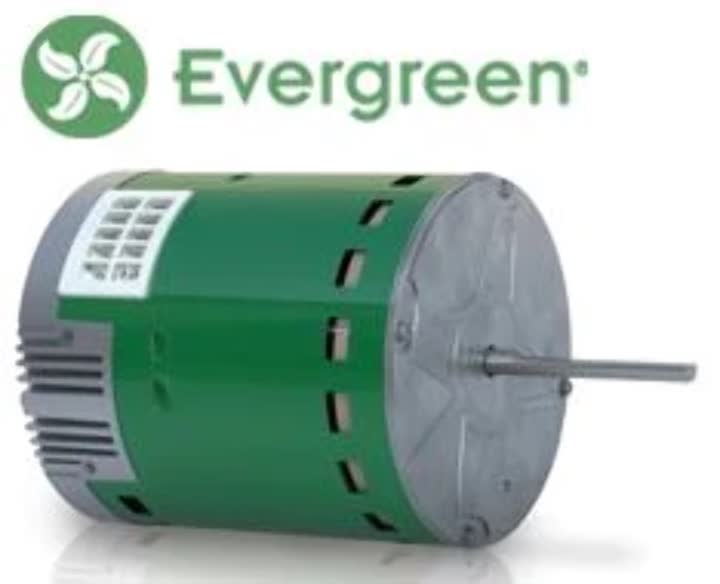
Evergreen replacement ECM for constant-torque blowers. Match the horsepower and the programming, then keep the old module until the new one actually runs.

Tester that tells you whether the ECM module is dead or the motor is. Cheaper than condemning a blower from the truck.
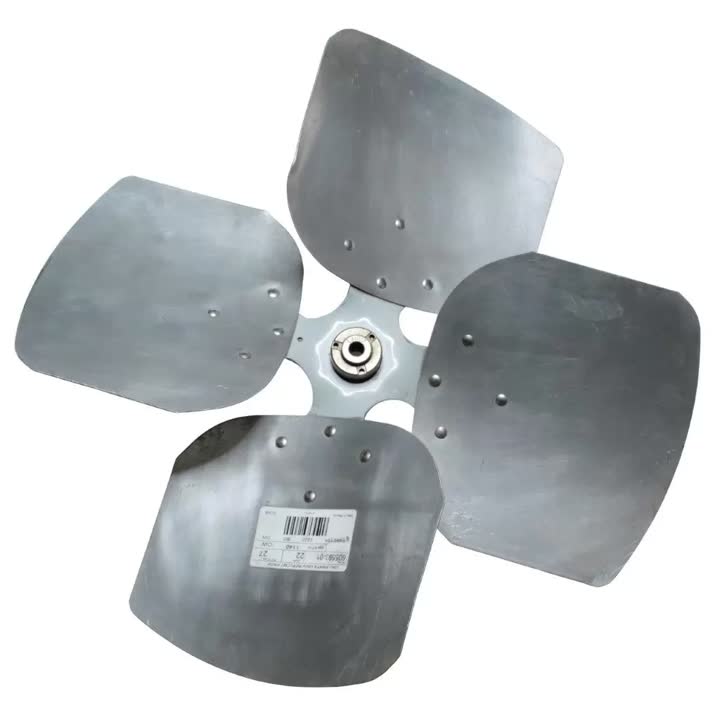
Eighteen-inch condenser fan blade, 1/2 inch bore, pitched for the usual residential top-discharge unit. A cracked blade will shake a new motor to death.
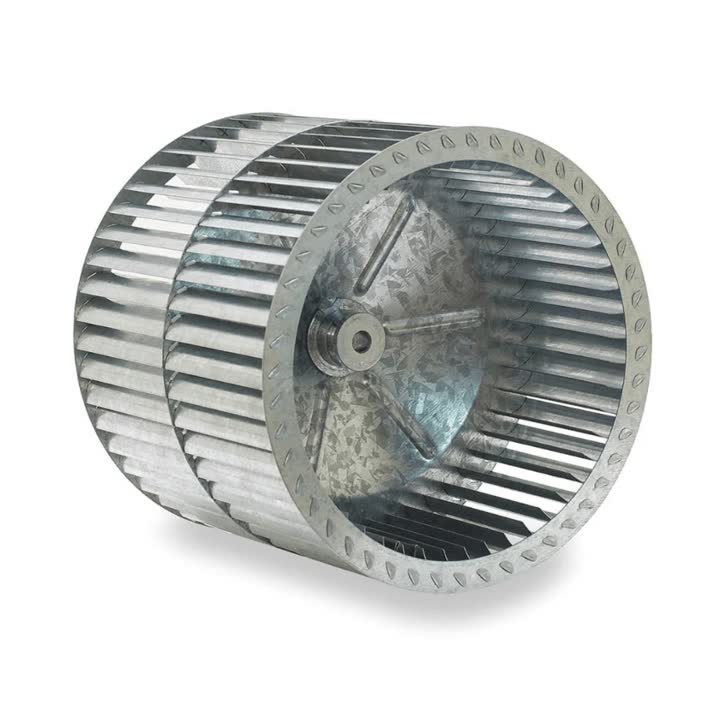
Ten by eight inch double-inlet blower wheel. Replace it when the fins are packed or the hub is wallowed out, not just the motor.
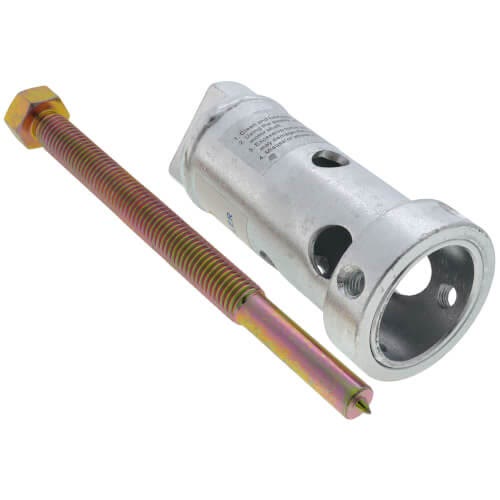
Puller for fan blades that have rusted to the shaft. Beats a screwdriver and a smashed bore.
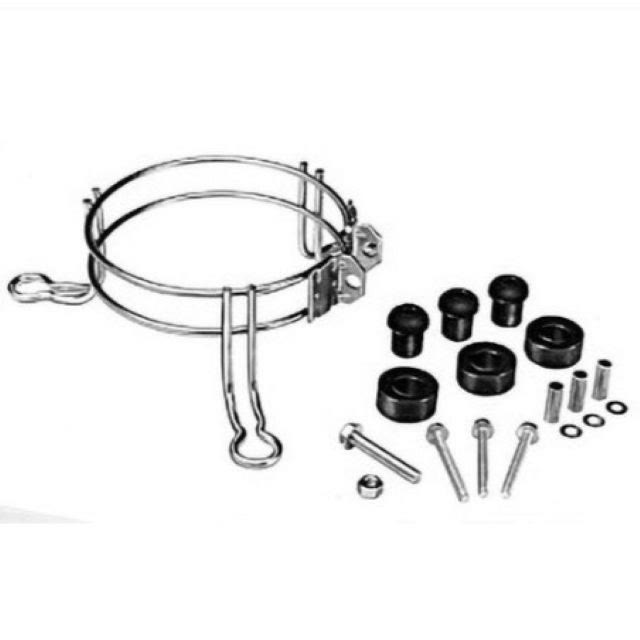
Belly-band and bracket hardware for motors whose OEM mount is cracked or the wrong diameter. A motor without a solid mount is a return call.
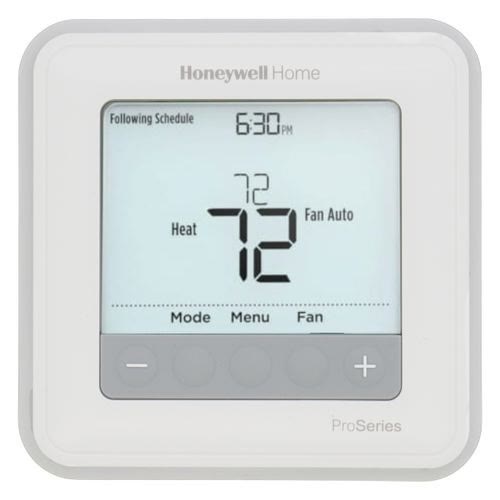
T6 Pro programmable thermostat, model TH6320U2008, for conventional and heat pump systems. The stat most homeowners can actually operate.

A simpler Honeywell Home programmable stat for the rental and the customer who does not want an app. Program it before you leave the driveway.

Touchscreen Wi-Fi thermostat for the customer who wants a schedule and remote access. Confirm the C-wire, or plan on the power extender, before you pull the old stat.
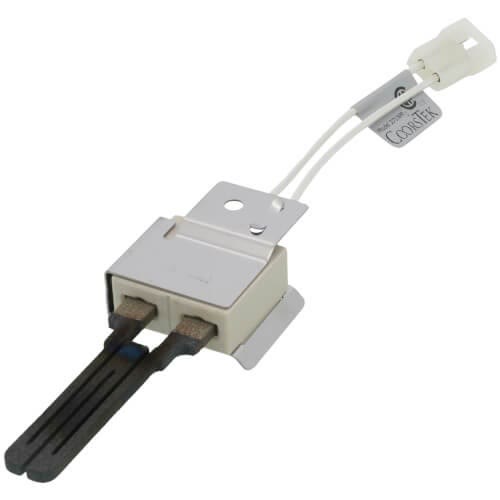
Silicon nitride igniter in the 767A family. Carry more than one. They crack in the truck if you treat the carton like a fitting.
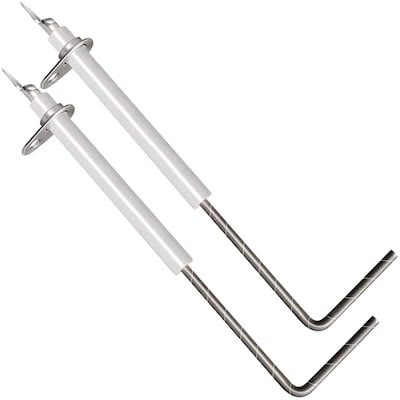
A straight flame-sensor rod for the furnaces that drop out after the igniter glows. Clean one once. Replace it the second time.
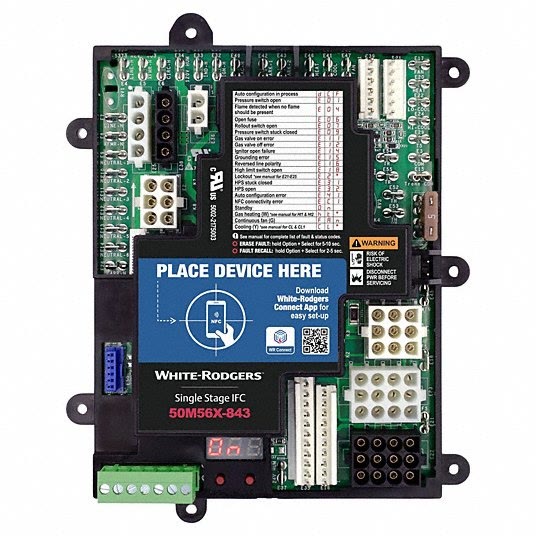
Universal hot-surface ignition control in the 50M56 family. Match the blower timings to the old board before you call the job done.
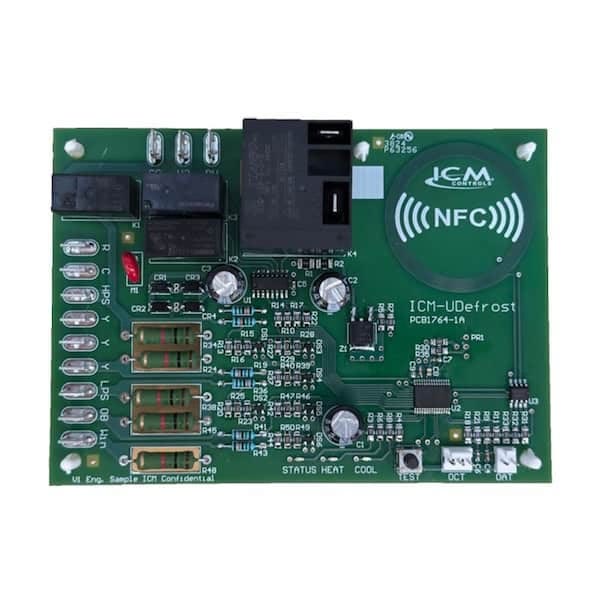
A universal defrost control for heat pumps stuck in defrost or never entering it. Write down the old jumper settings before the board comes out.
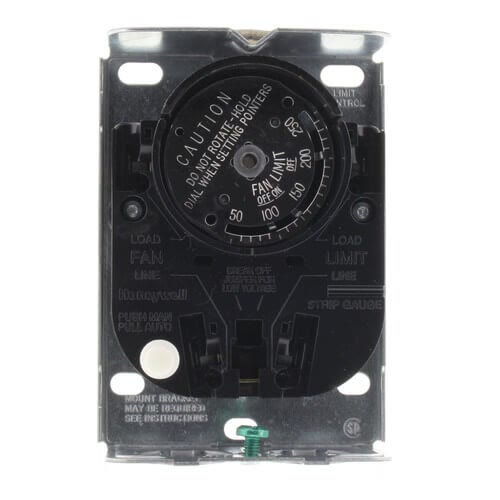
Combination fan and limit for older furnaces that still use a helical element instead of a board. Do not jumper a limit and leave.
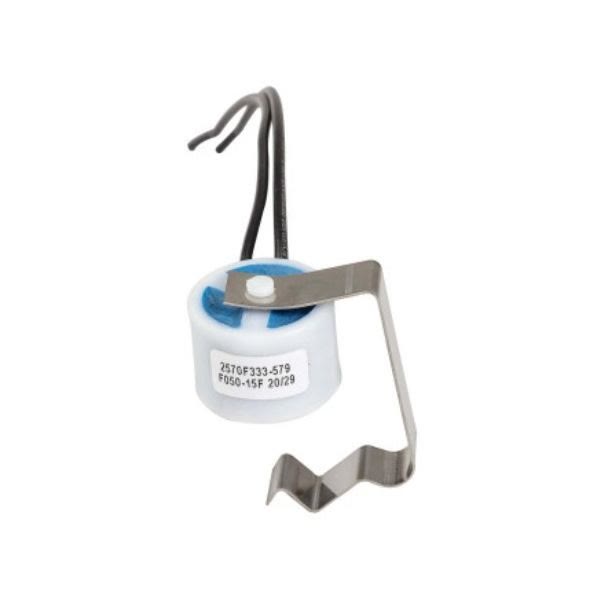
Opens the control circuit if the suction line or coil ices up. The cheap part that saves an evaporator and a ceiling.
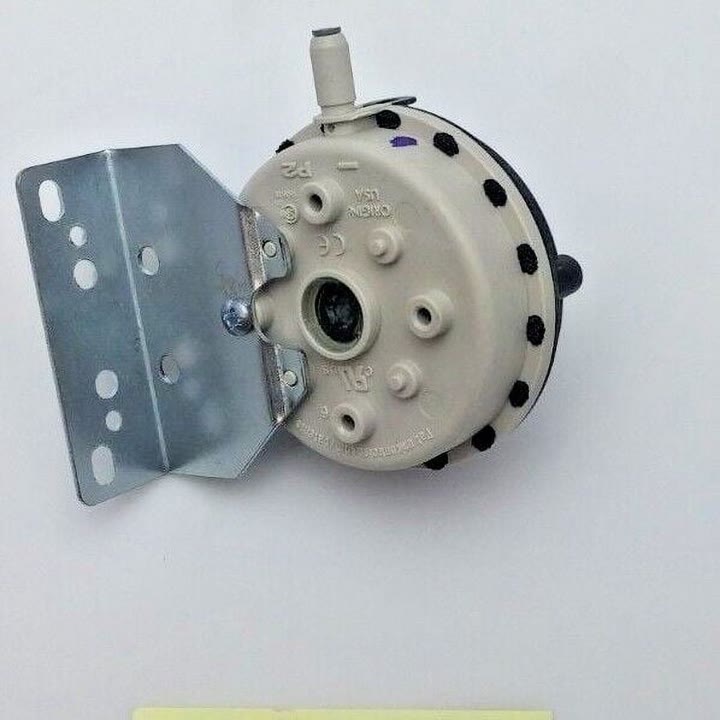
A multi-range replacement pressure switch for inducer proving. Measure the actual pressure before you condemn the switch you just installed.
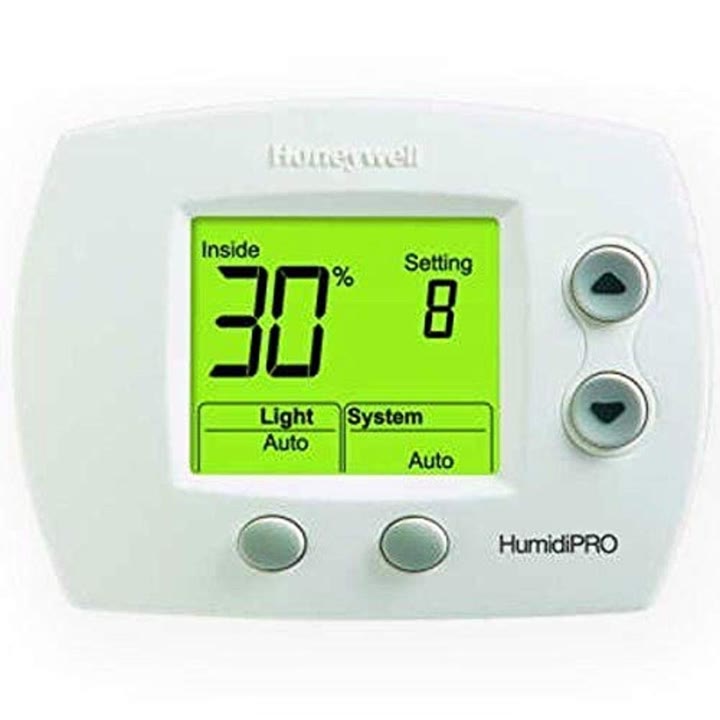
Wall humidistat for a bypass or fan-powered humidifier. Set it with the outdoor temperature in mind, not wide open.
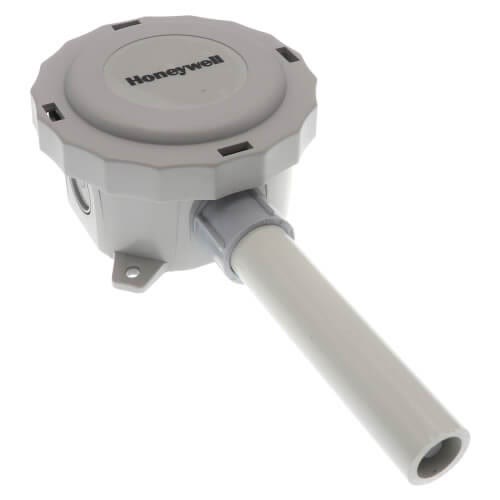
Outdoor sensor for heat pump balance points and thermostats that lock out auxiliary heat. Mount it out of the sun and off the refrigerant lines.
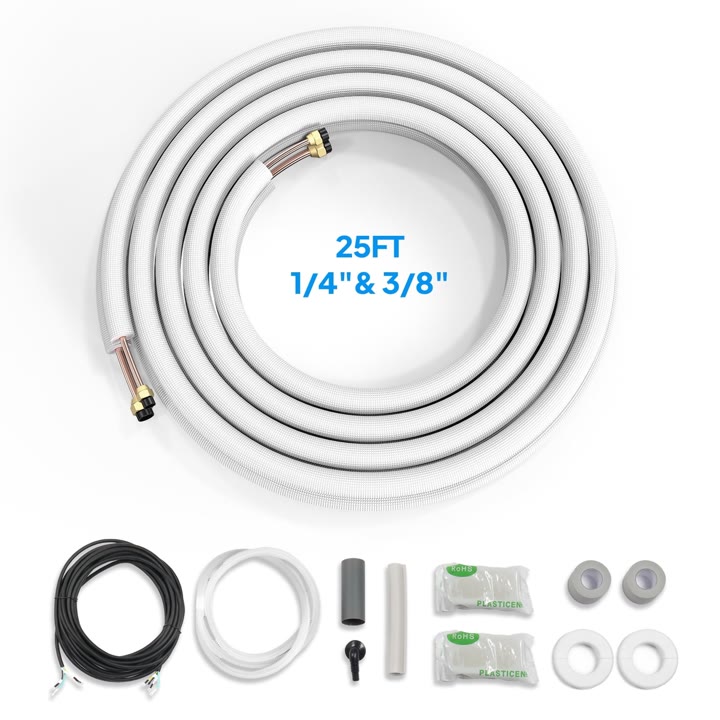
Insulated mini-split line set, 1/4 inch liquid and 3/8 inch suction, 25 feet. The length that finishes a single-zone without a coil of leftover copper in the truck.
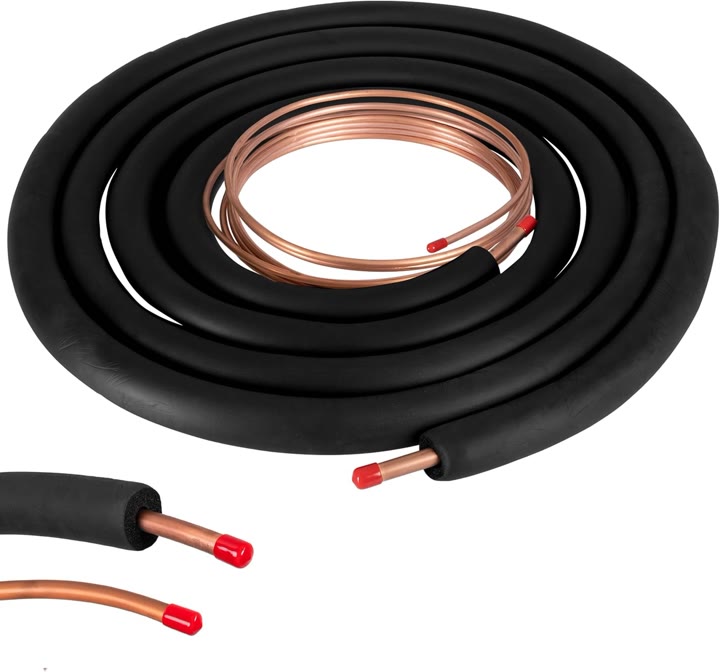
Insulated conventional line set for a typical residential split. Check the suction size on the existing unit before you unroll it.
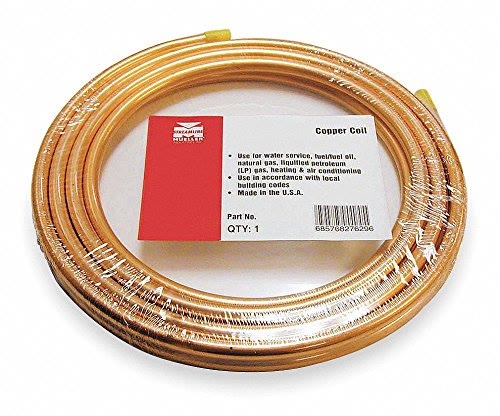
Fifty feet of 3/8 inch refrigeration-grade soft copper for repairs that should not be made from a cut-up line set.
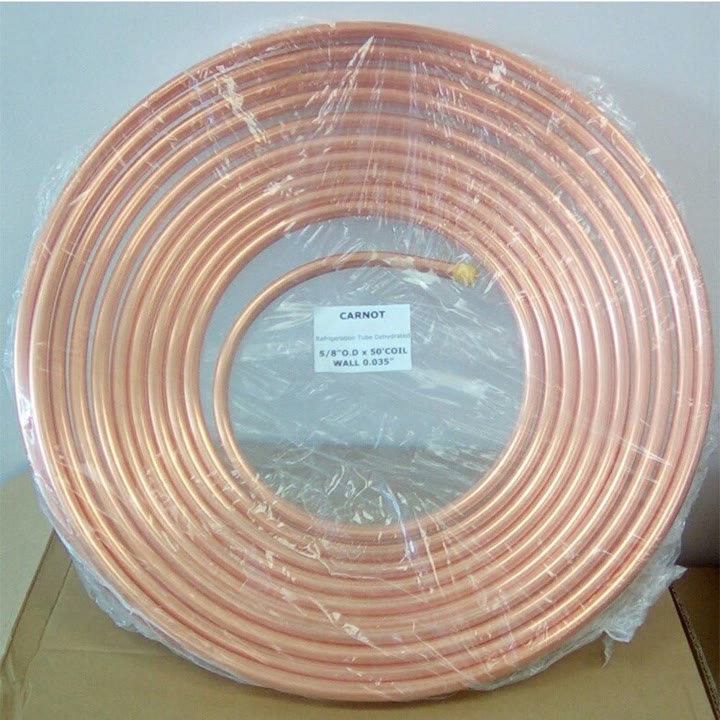
5/8 inch soft copper for suction-line repairs on smaller splits. Keep the ends capped so the cage coil stays clean.
Flare nuts and unions from 1/4 through 5/8 inch. Mini-splits leak at tired flares, and the fix is a new nut and a proper flare, not more torque.
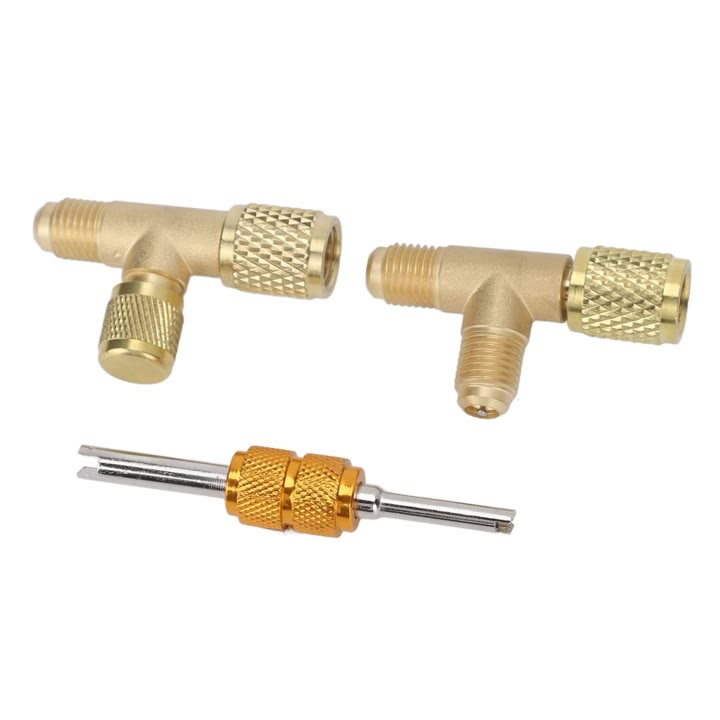
Brass access tee for a service port where the factory did not leave you one. Depress the core, braze or flare it in, and replace the core when you are done.
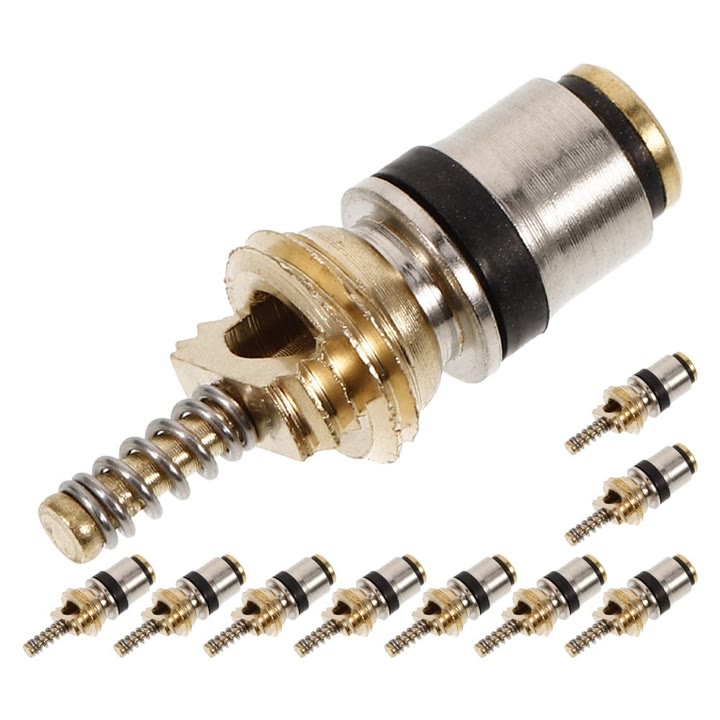
Replacement Schrader cores for access ports. A leaking core is not a low charge. Change the core before you add refrigerant.
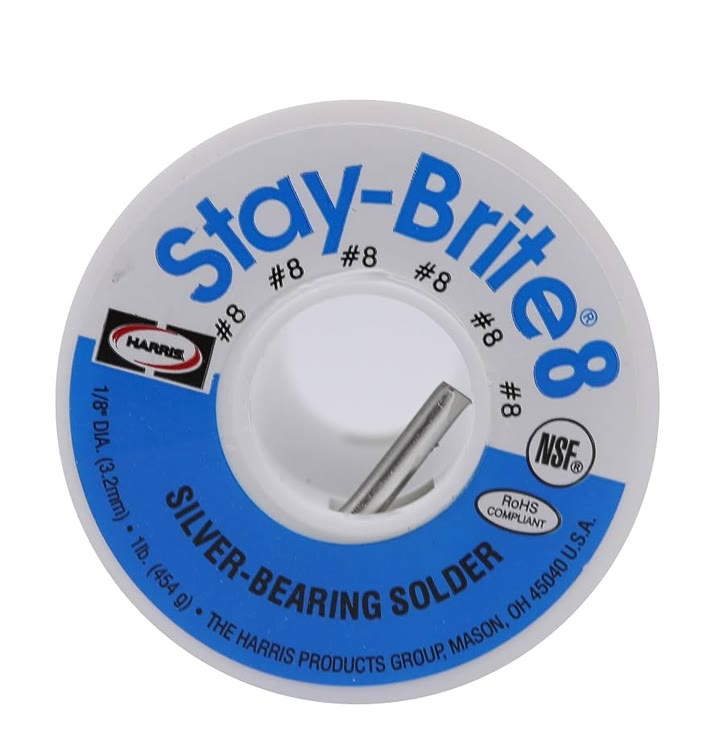
Silver-bearing solder for the joints where brazing heat is a bad idea, including a lot of mini-split and repair work. It is solder, not a substitute for a nitrogen purge.
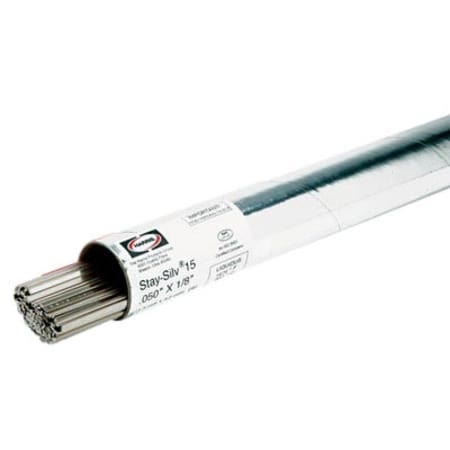
15 percent silver brazing alloy for copper-to-copper refrigerant joints. Flow it with nitrogen moving through the line.
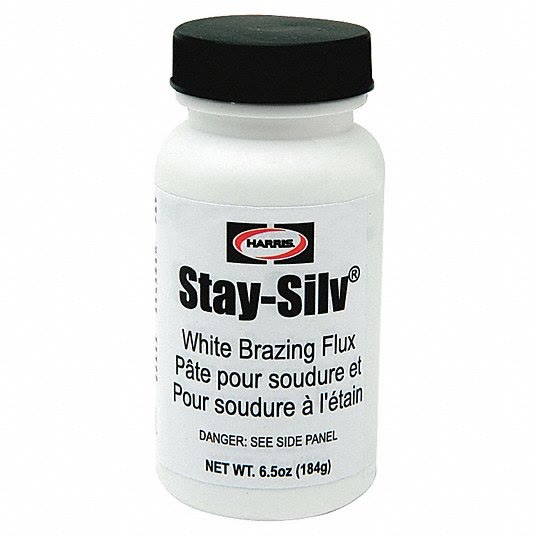
Flux for the joints that need it, especially copper to brass. Do not use it as a bandage for a dirty tube.
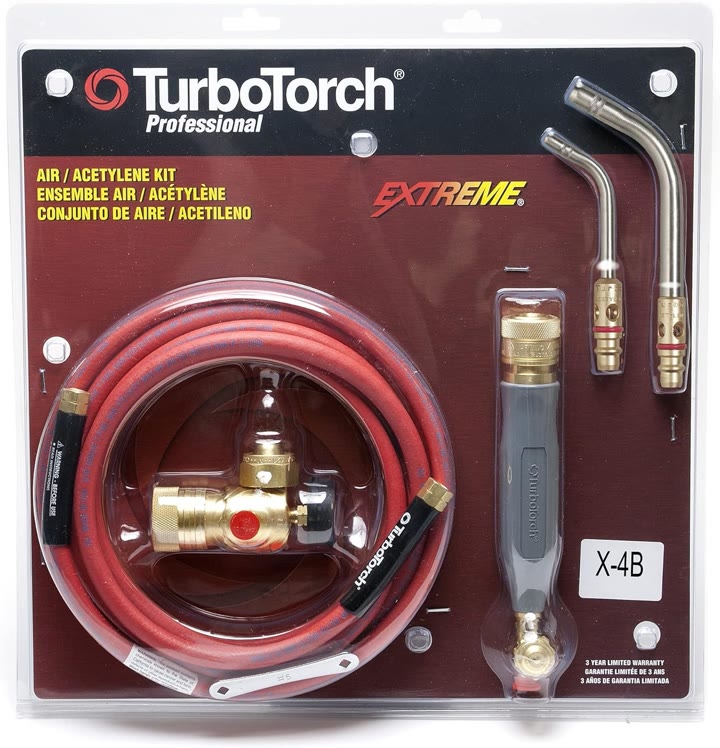
Self-lighting air-acetylene torch for brazing line sets and repair couplings. Keep a full MC tank in the cage so the truck tank is not the only one.
Wrot copper couplings for 3/8 inch liquid-line repairs. Ream the tube. A ridge inside a coupling is how you restrict a system you just fixed.
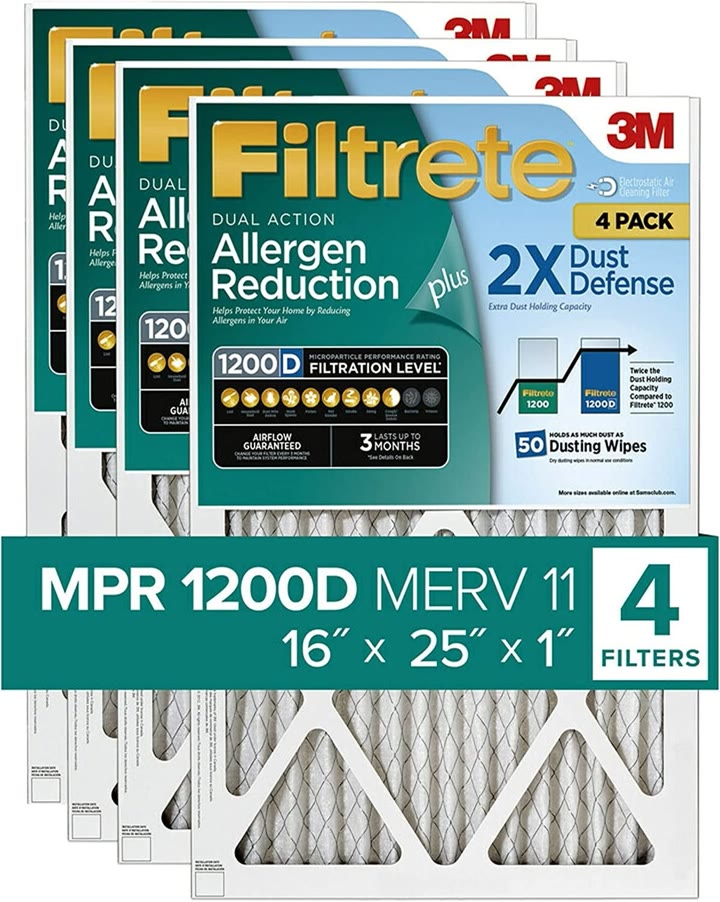
The one-inch size that fits a huge share of returns. MERV 11 is a reasonable stock filter. MERV 13 in a one-inch slot is how you freeze a coil.
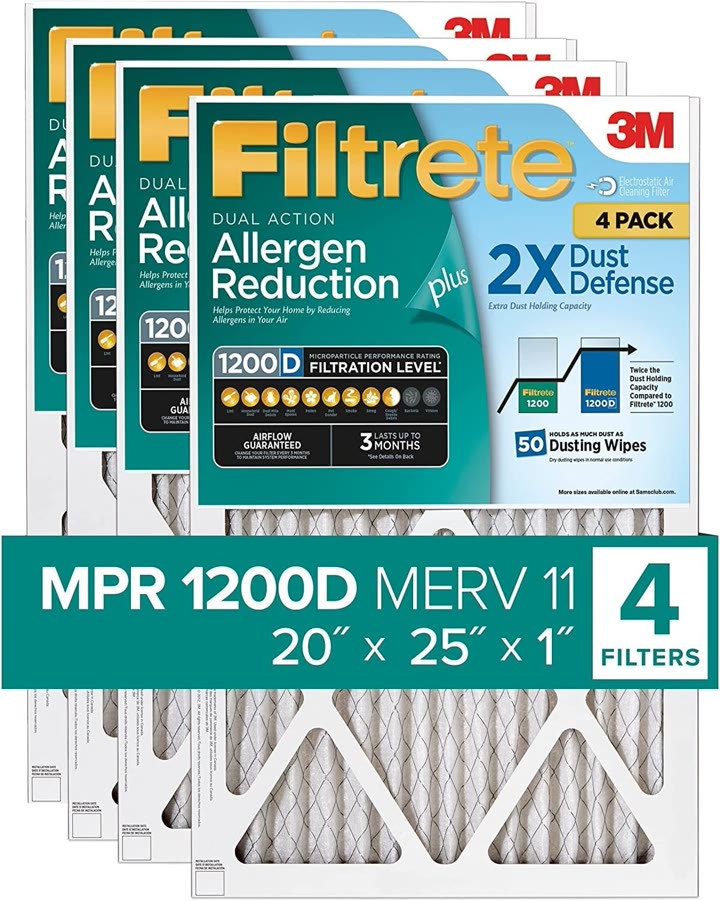
Twenty by twenty-five by one inch, four to a pack. The other size that should never be at zero in the cage.
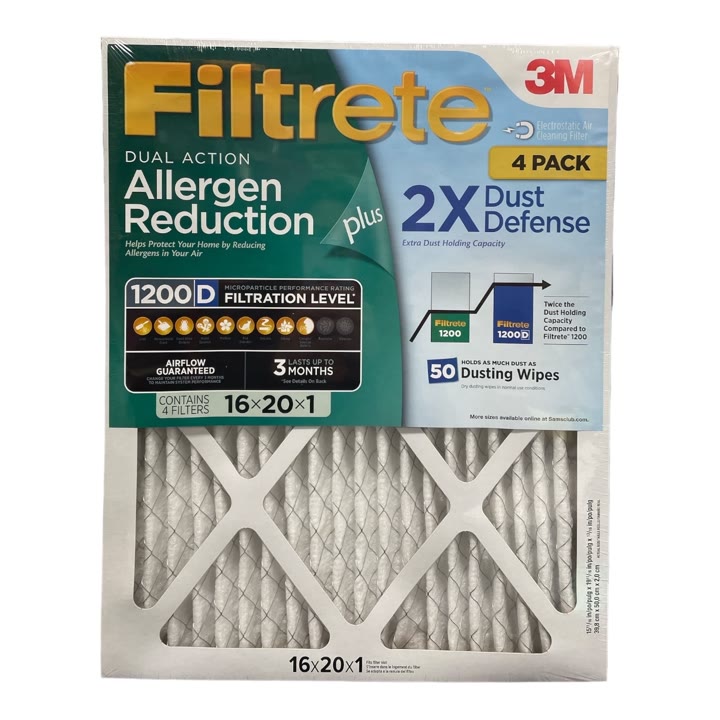
Sixteen by twenty, the size that hides in apartment air handlers. Easy to forget until you are standing in a closet without one.
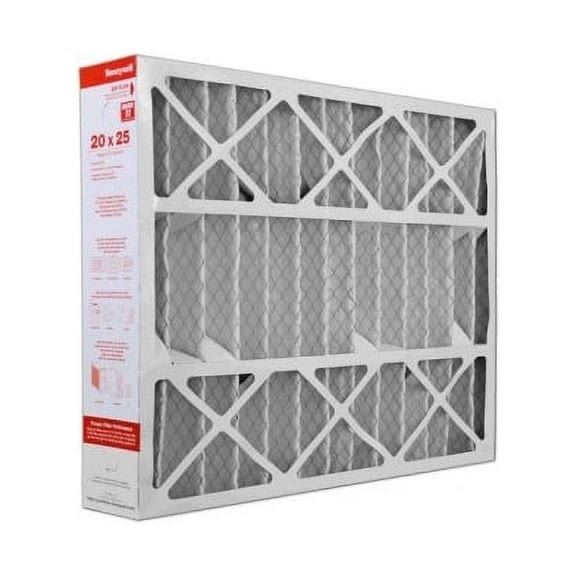
Four-inch media for the cabinets that were built for it. Do not slide a one-inch filter into a four-inch rack and call it close enough.

Aprilaire 213 replacement media for the 2200-series air cleaner. Stock the filter the housing was designed around.

Water panel for the common Aprilaire 600 and 700 series. A humidifier with a fossilized pad is just a restriction.
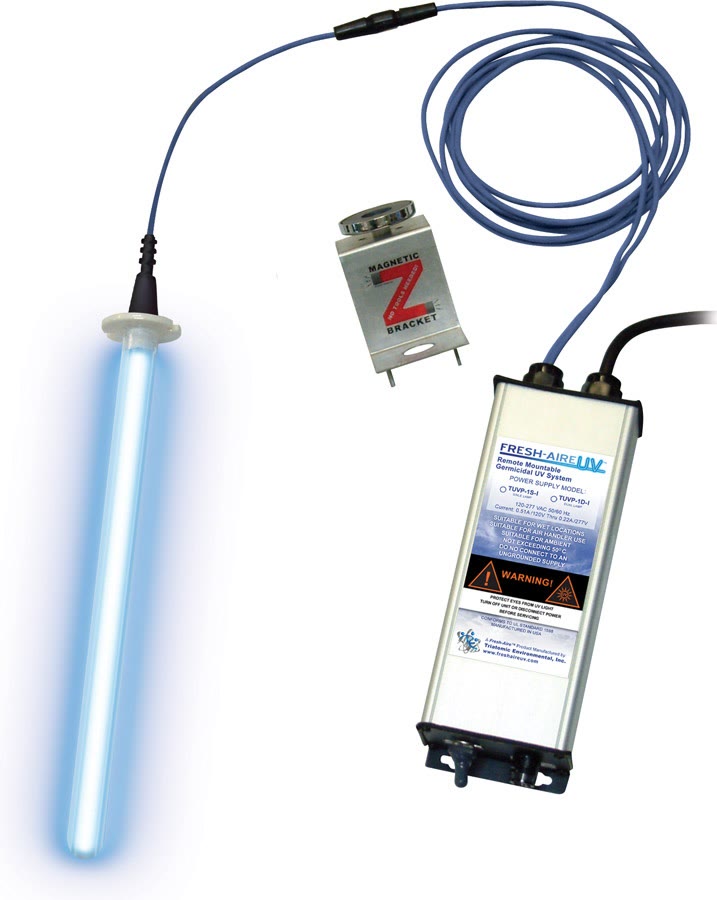
Replacement UV-C lamp for a coil light. They fade before they look dead. Date the install on the housing.
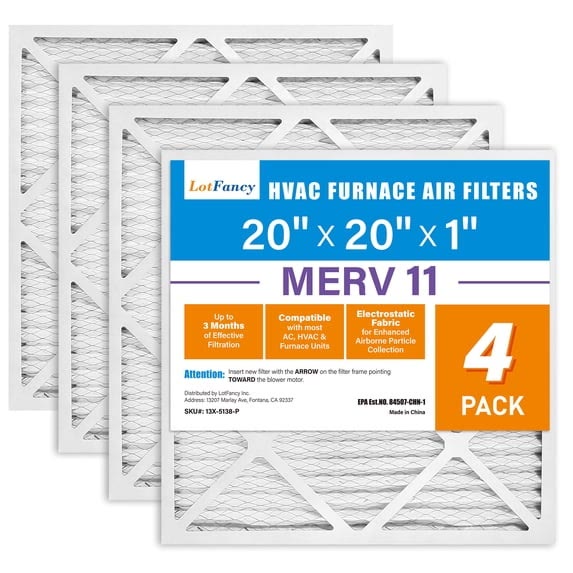
Square one-inch filters for the returns that are neither 16x25 nor 20x25. A small stack prevents a second trip for a ten-dollar part.
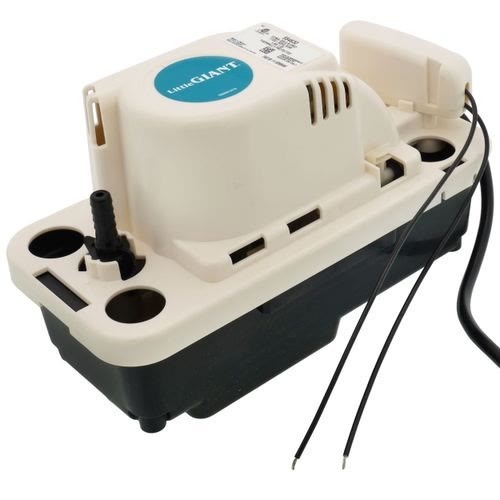
Condensate pump with about 20 feet of lift for air handlers and furnaces that cannot drain by gravity. Check the safety switch wiring before you leave.
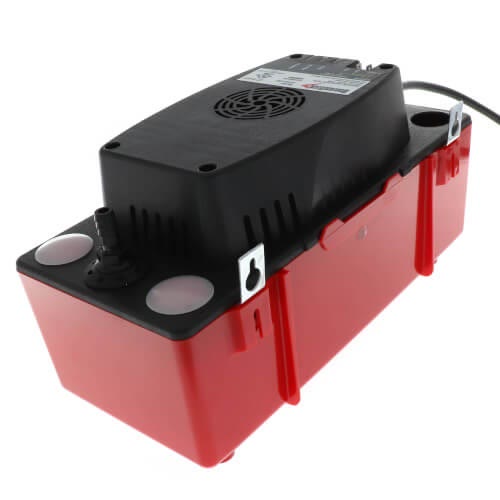
A 22-foot-lift condensate pump to keep next to the Little Giants. Same job, different mounting feet, so the cage should hold both.
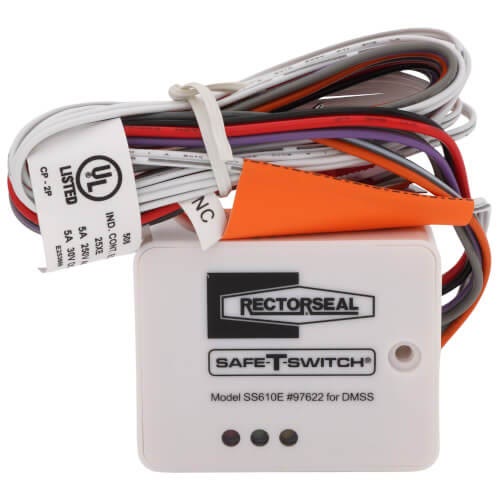
Electronic condensate overflow switch sized for mini-splits and primary pans. It shuts the system down before the drywall does the detecting.
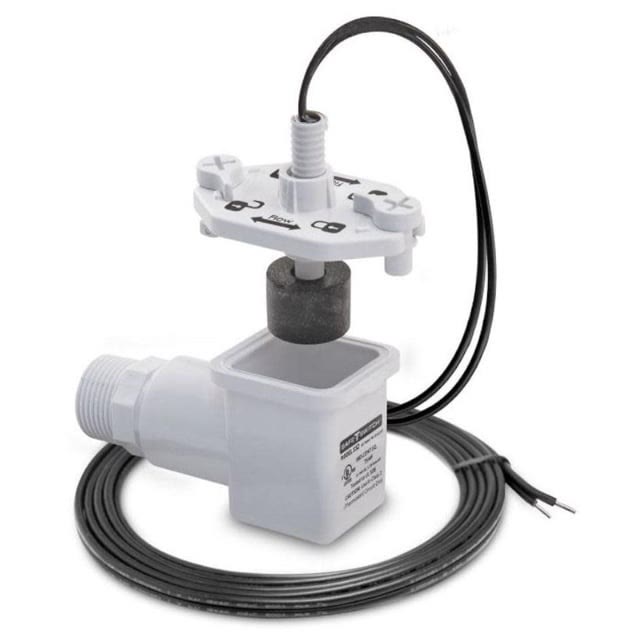
Secondary-pan float switch. Code and common sense both want one anywhere a secondary pan exists. Clip it so it actually floats.

Condensate pan tablets that slow the slime that plugs a trap in August. They are not a substitute for cleaning the pan.
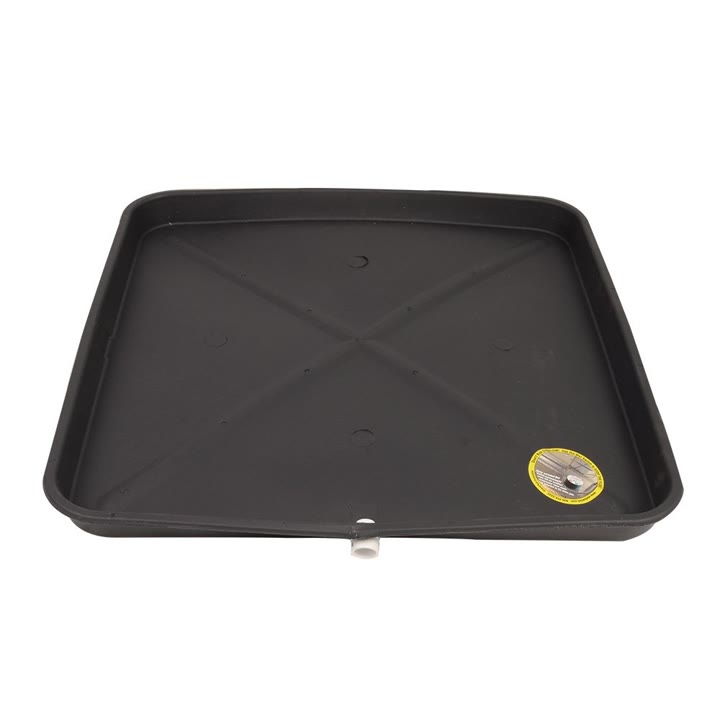
Metal secondary pan for an air handler in a closet or attic. Pitch it, trap it, and put a float switch in it.
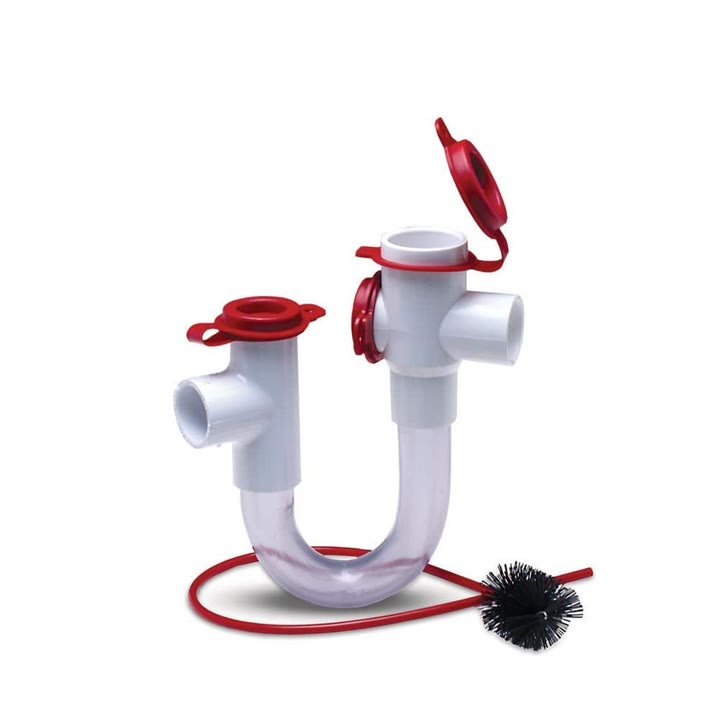
Clear inline trap so you can see the slime instead of guessing. A stock item for every air handler that uses vinyl or PVC.
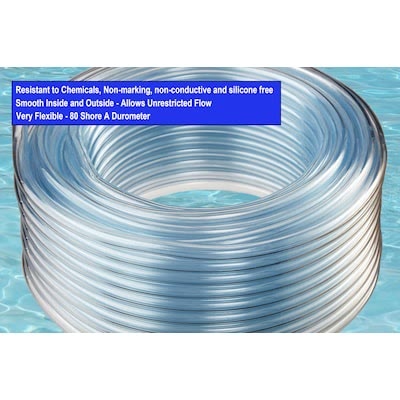
Clear vinyl for condensate drains and trap repairs. Do not use it on refrigerant, and do not leave a low spot that becomes a second trap.

Tees, elbows, couplings, and adapters in 3/4 inch schedule 40. Condensate repairs should not wait on a hardware-store run.
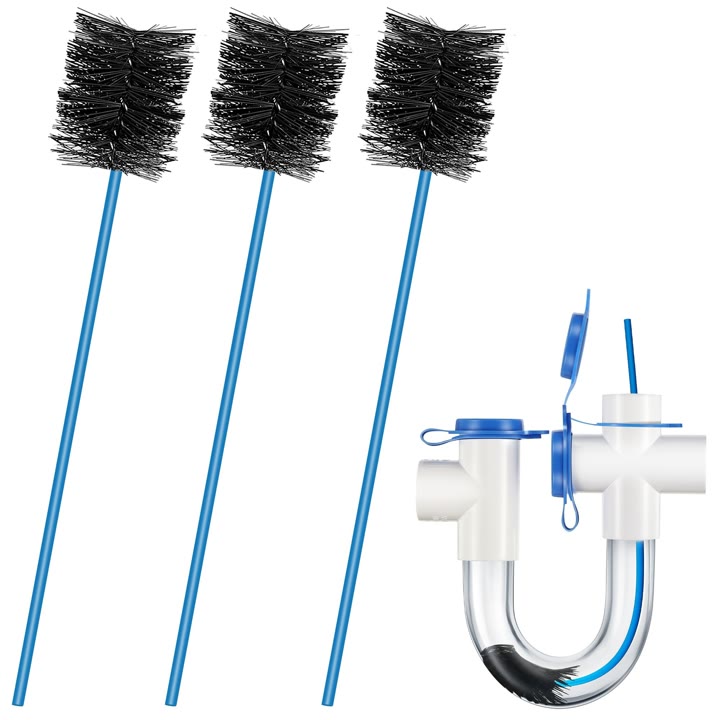
Flexible brush for the slime you can reach before you cut the line apart. Use it, then tablet the pan.
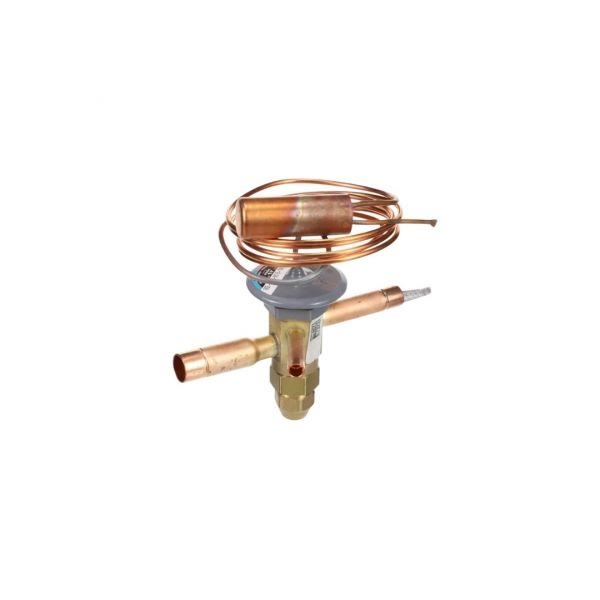
Externally equalized 3-ton thermostatic expansion valve for R-410A coils. Confirm the tonnage and the connection style before it gets brazed in.
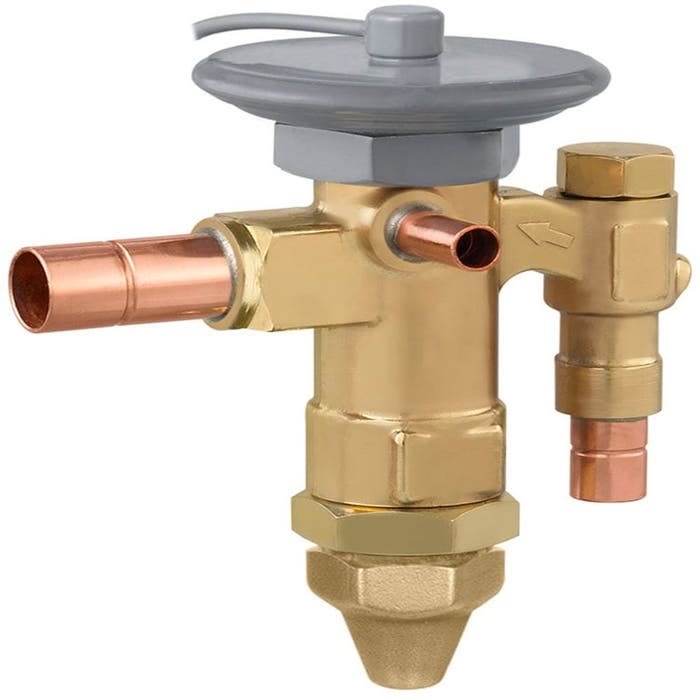
Externally equalized 2-ton R-410A TXV for the smaller coils. A 3-ton valve on a 2-ton coil is not a close match.
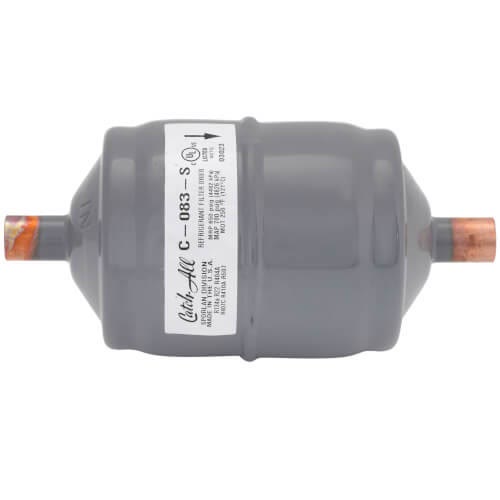
Liquid-line Catch-All for a typical residential split. Replace the drier every time the system is open. That is the whole point of stocking them.
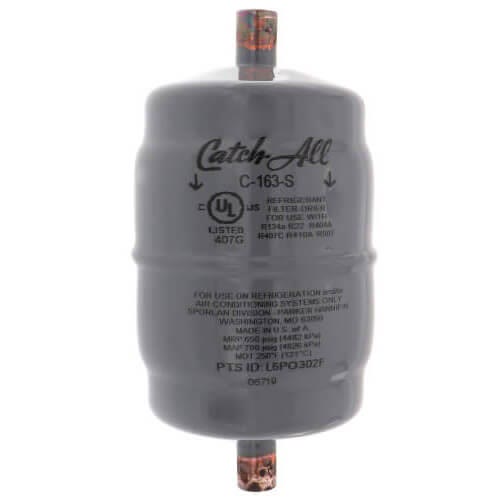
Higher-capacity Catch-All for longer line sets and light commercial liquid lines. Keep a few beside the C-083 bin.
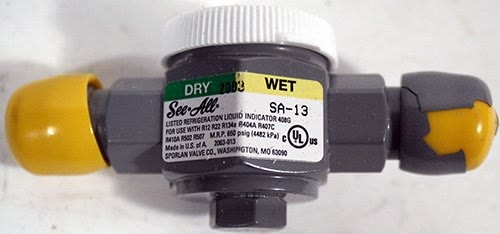
Liquid-line sight glass with a moisture indicator. Bubbles are not automatically low charge, but a yellow indicator is moisture. Know which one you are looking at.
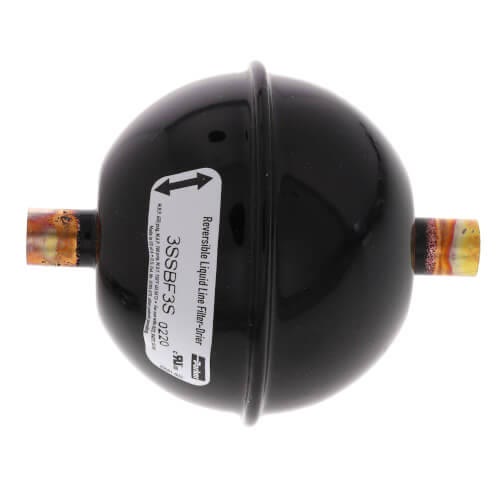
Bi-flow drier for heat pumps, where flow reverses. A standard liquid-line drier on a heat pump is the wrong part.
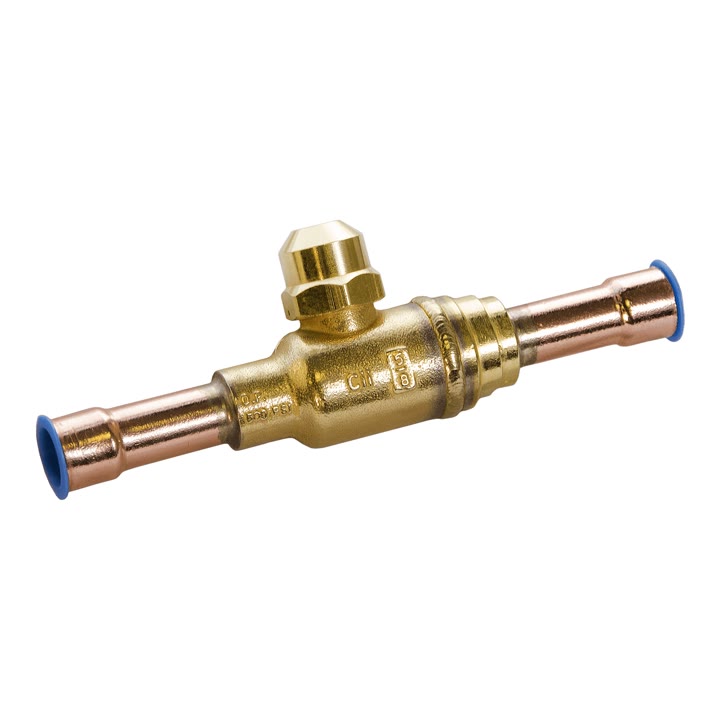
Flare ball valve for isolating a gauge set or a recovery setup without dumping the hoses. One per truck, extras in the cage.
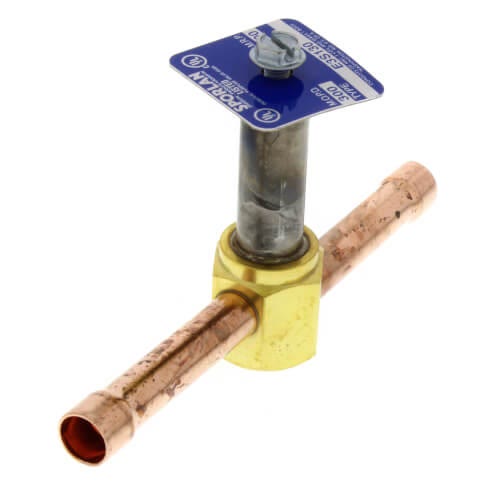
Normally closed refrigerant solenoid for pump-down and liquid-line control. Match the coil voltage before you wire it to 24 volts and hope.
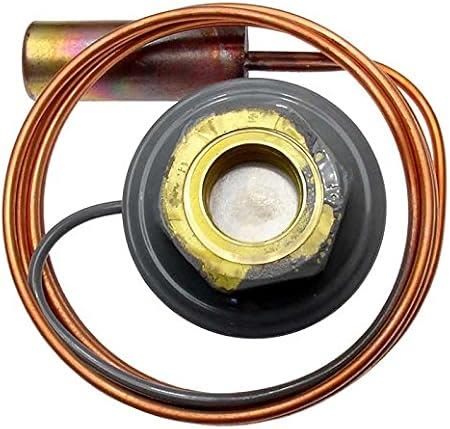
Bolt-on power element for Chatleff-style R-410A valves. Sometimes the power head is the failure, and the valve body can stay.
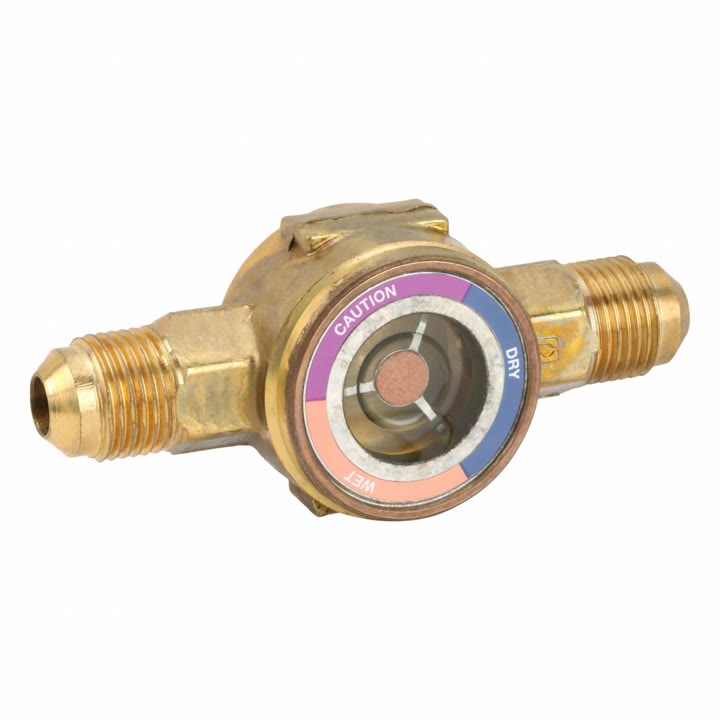
Flare sight glass for a temporary or service-port install when you need to see the liquid and you are not brazing today.
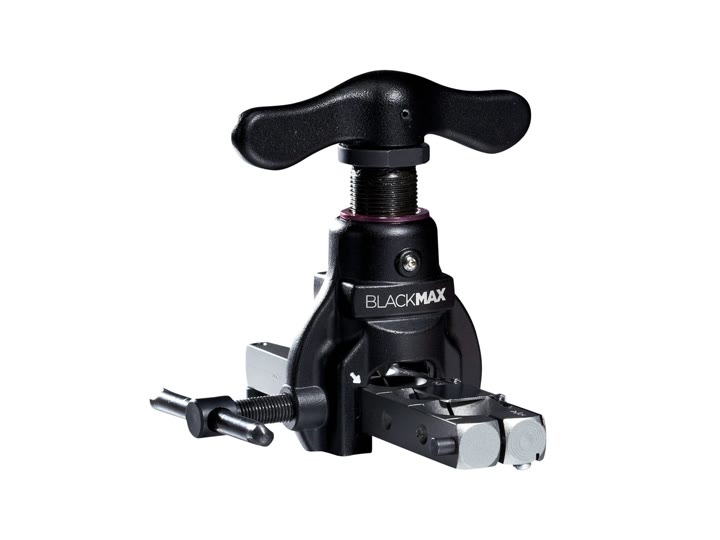
Eccentric flaring tool for 3/16 through 3/4 inch tube, with a clutch that tells you the flare is done. Mini-split work depends on this more than on arm strength.
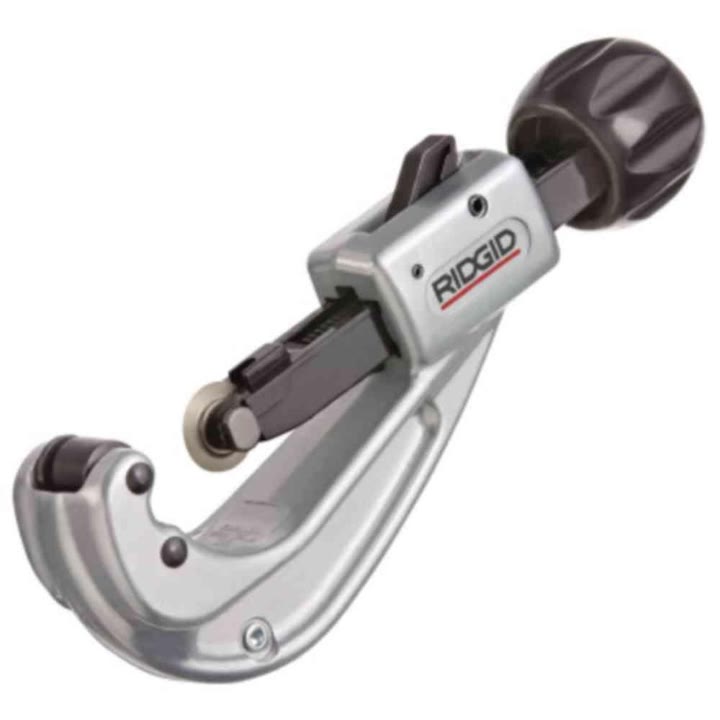
Small cutter for the copper you cannot swing a full-size tool around. The wheel is a consumable. Replace it when it starts to crush the tube.
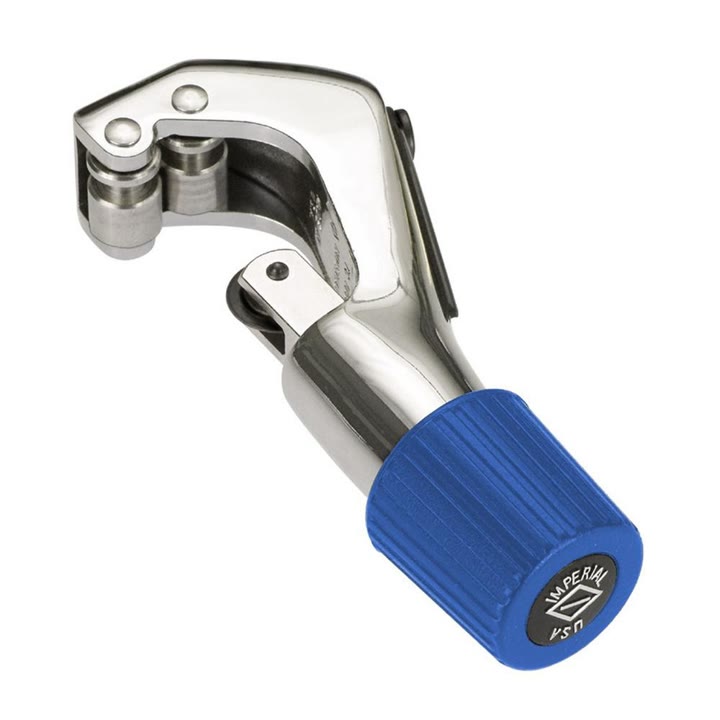
Full-size cutter for line sets and the larger soft copper. A clean cut is the start of a flare that does not leak.
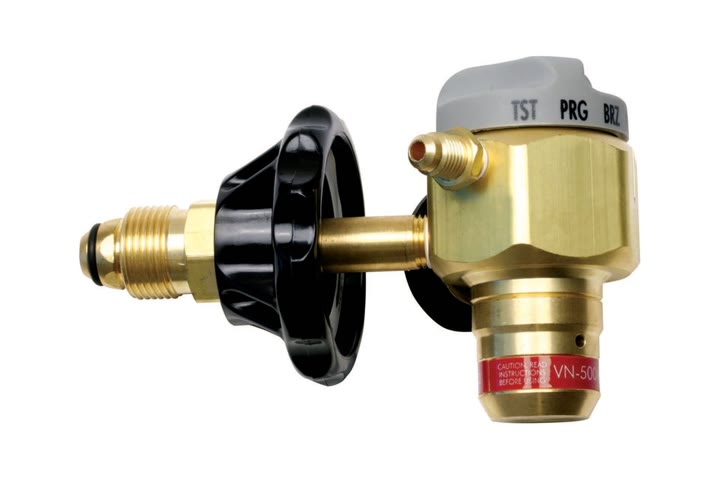
CGA-580 nitrogen regulator for purge and pressure testing. A refrigerant gauge set is not a nitrogen regulator.

Flow meter so the purge is a measured trickle, not a blast that blows the alloy out of the joint. About 2 to 5 SCFH while brazing is the habit to build.

Heated-diode leak detector for the small leaks soap never shows. Change the filter and the sensor on a schedule, not after a week of ghost alarms.

Infrared detector that is less fussy about sensor life than a heated diode. A good second opinion when the DR58 and the soap disagree.

Cloud-connected or not, it is still a heated-diode detector shops trust on small leaks. Keep it in the case. Truck floors kill sensors.

Digital manometer for gas pressure and static pressure. A water column manometer in a drawer does not help the tech on a rooftop.
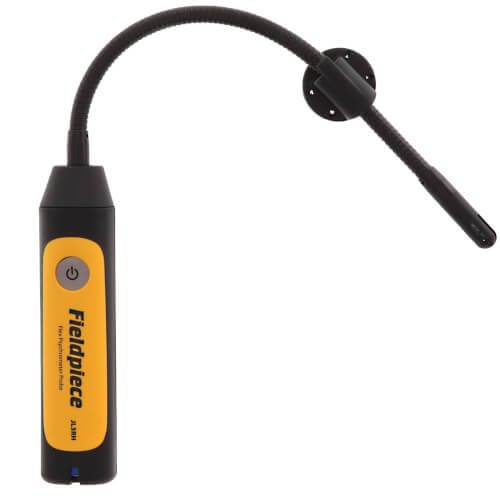
Job Link probe for return and supply wet-bulb and dry-bulb. Temperature split without humidity is only half the diagnosis.

Fin straightener for the condenser that lost a fight with a weed trimmer or a hail storm. Straight fins move air. Crushed fins do not.
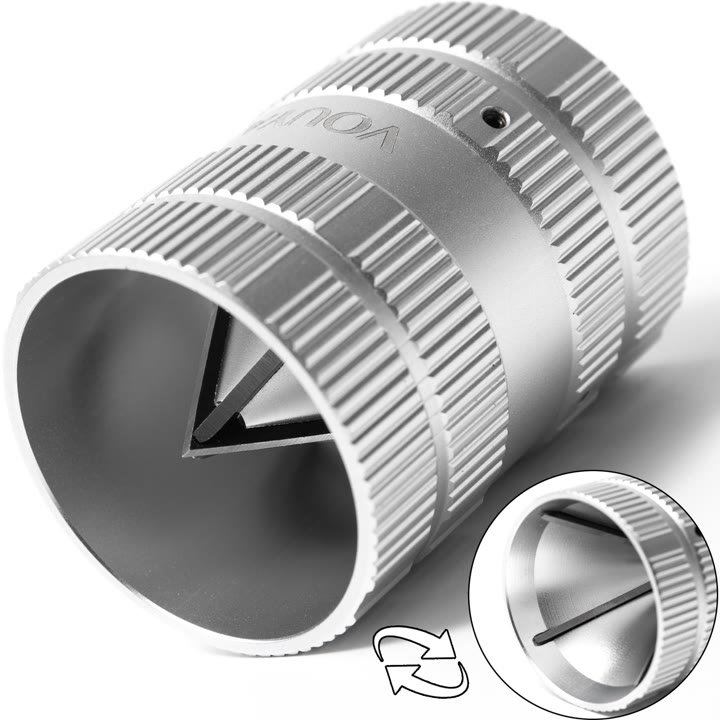
Deburr both the inside and the outside of every cut before you flare or braze. The curl inside the tube becomes a restriction.

Clear safety glasses that stay on a sweaty face. Coil cleaner and a slipping wrench both end up at eye level.

Cut-resistant gloves for sheet metal, fins, and the furnace cabinet edge that always finds a knuckle. They are not chemical gloves.

Chemical-resistant disposables for coil cleaner, pan treatments, and whatever grew in the drain. Stock a size that actually fits the crew.
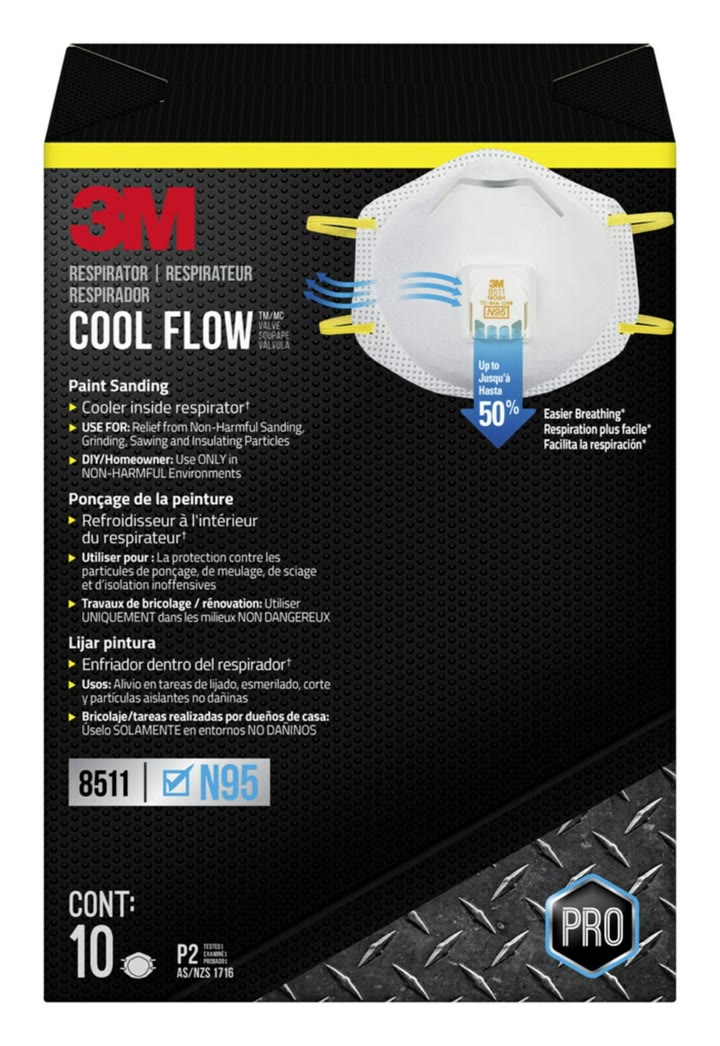
Valved N95 for attic insulation, old filters, and dusty returns. They are not a refrigerant respirator. They are still worth having on the truck.
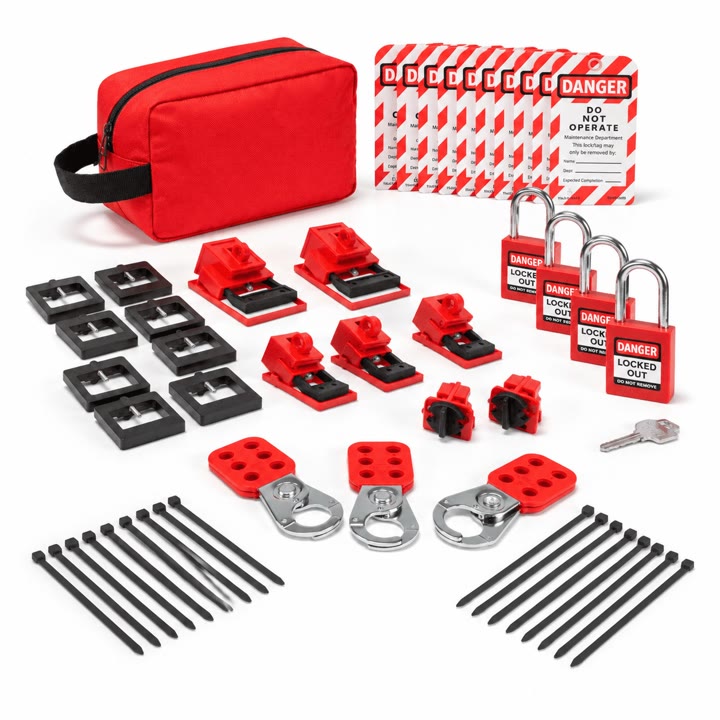
Breaker lock, hasp, and tags. The disconnect you pulled is not locked until it is locked. Tags without a lock are a suggestion.

A real kit for cuts from fins and burns from a torch, not a tin of three bandages. Check it twice a year and replace what got used.

Knee pads for attic scuttles and the mechanical closets that put the air handler on the floor. Backs last longer when knees are not the pivot.

Earmuffs for generators, vacuum pumps in a mechanical room, and the condenser that sits next to your head on a ladder.
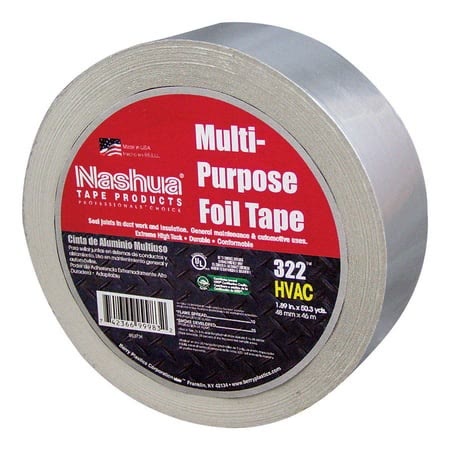
HVAC foil tape for duct board, start collars, and the occasional emergency on a return. It is not a substitute for mastic on a joint that has to last.
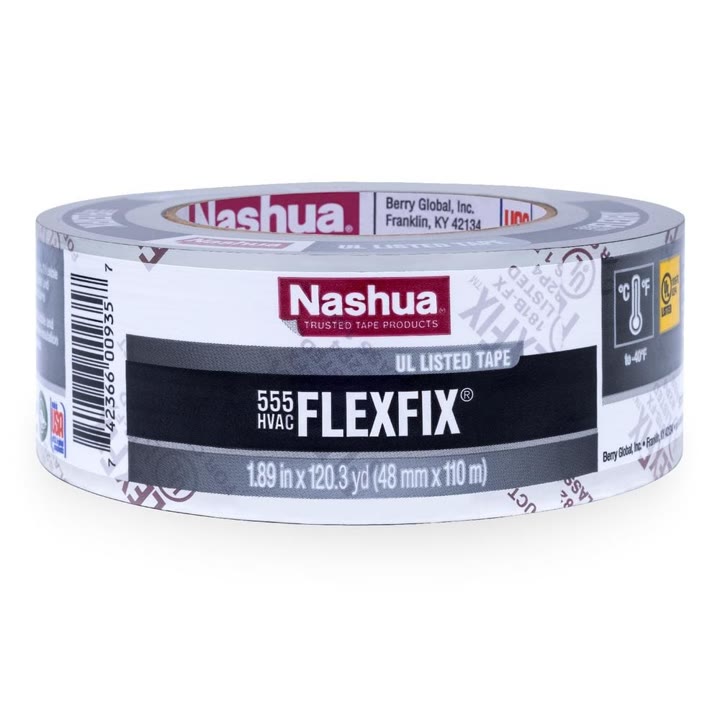
Butyl mastic tape for ducts and boots where foil tape peels in a season. Press it. It does not stick to dust.
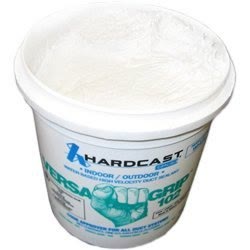
Water-based duct mastic for sealing trunks, boots, and the plenum joint that tape will not hold. Brush it on metal that is actually clean.
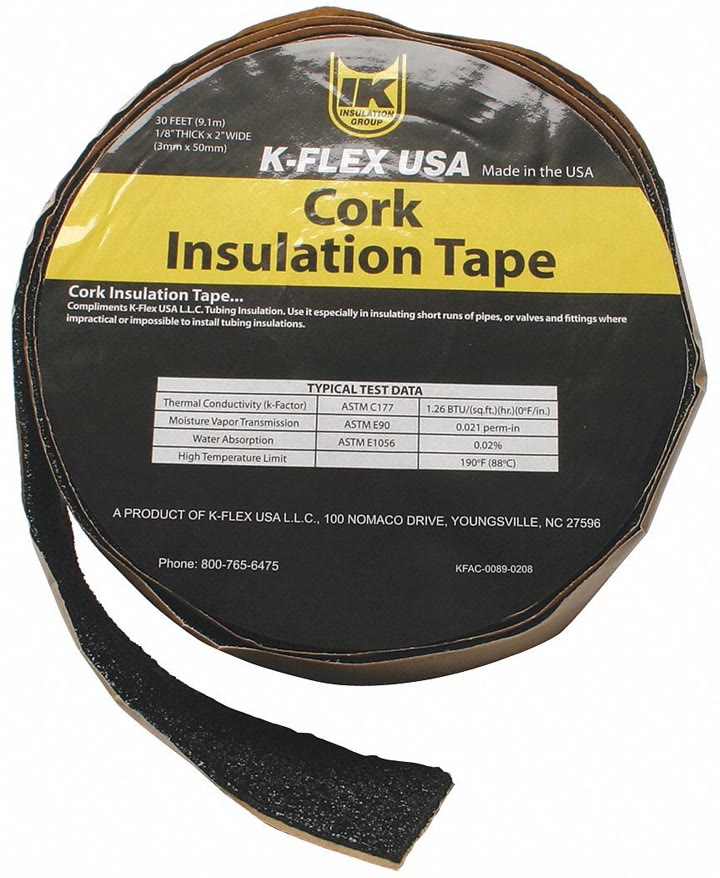
Cork tape for sweating suction lines, bulb wells, and the odd noise. It is not line-set insulation, and it is not a leak fix.
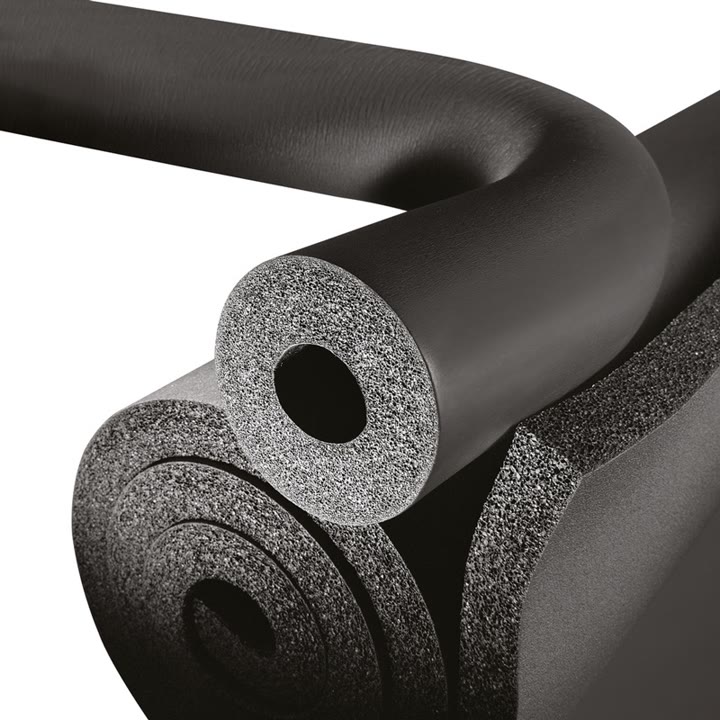
Closed-cell insulation, 1/2 inch wall, for 3/8 inch liquid and small suction lines. Glue the seams. A split seam sweats on the ceiling.
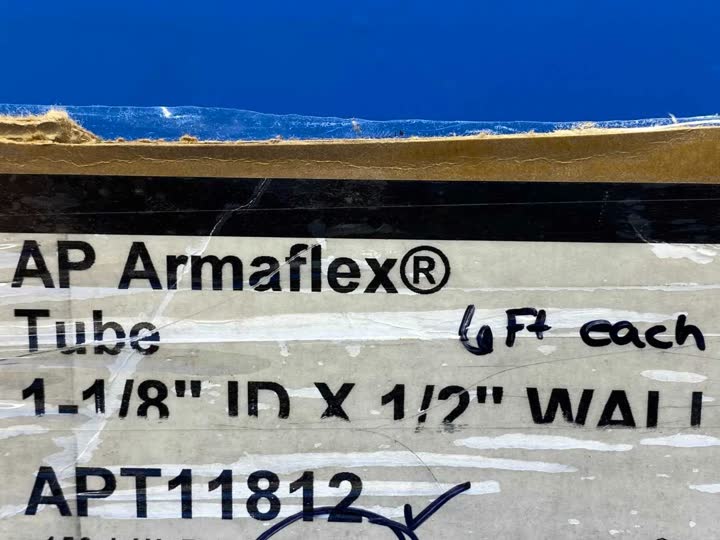
Closed-cell insulation for 7/8 inch suction lines. The size people forget until the line set is already in the wall.

Ultraviolet-resistant black ties for line sets, whips, and low voltage. White household ties turn to dust on a condenser.
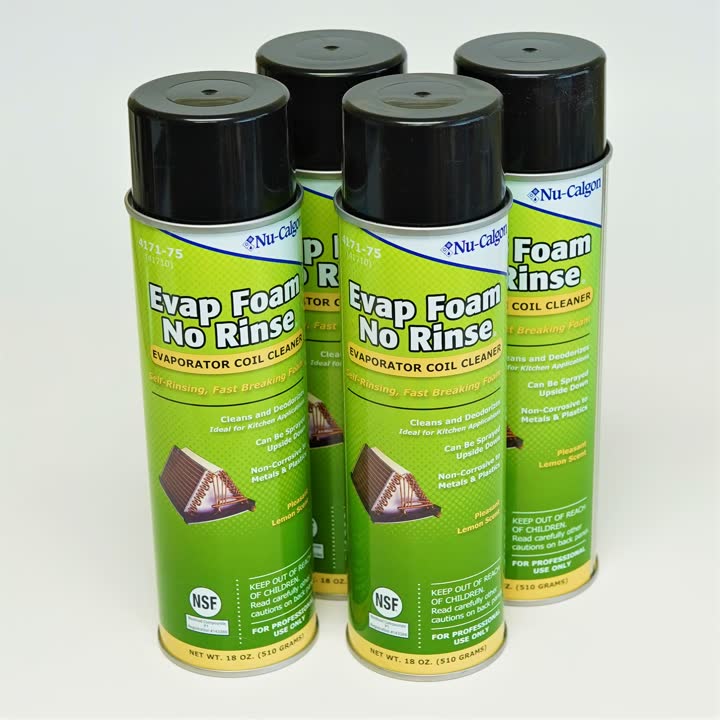
No-rinse evaporator foam for coils you cannot wash into a drain you trust. Read the label. It is not a condenser cleaner.
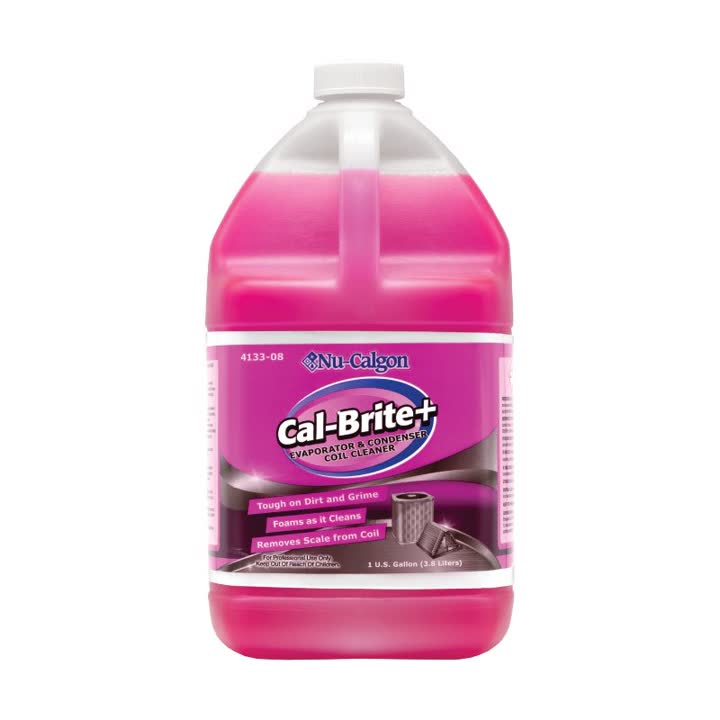
Alkaline condenser cleaner for outdoor coils. It needs a rinse and it needs eye protection. Do not spray it on an evaporator.

Bubble leak detector that stays where you put it and does not disappear in a breeze. Use it after the electronic detector finds the neighborhood.
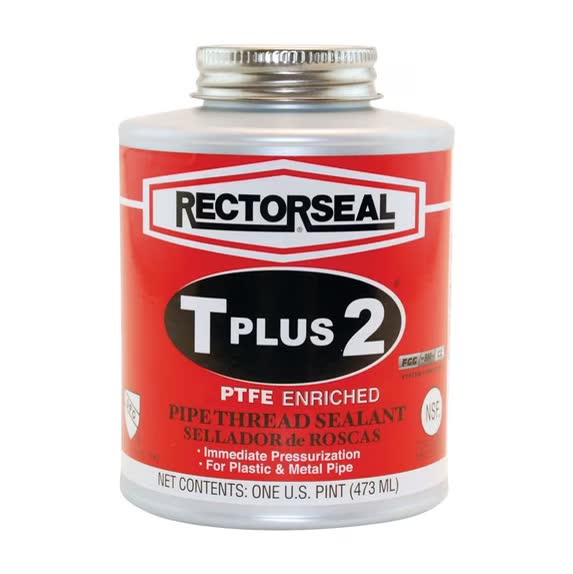
Soft-set thread sealant for pipe threads. It is not a flare-nut compound and it does not belong inside a refrigerant system.

Thick PTFE tape for water and condensate threads. Wrap it on male threads, in the direction you tighten.
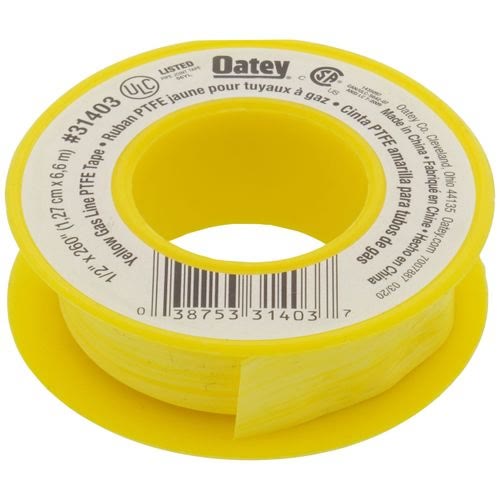
Yellow PTFE tape rated for gas piping. Do not use the white water tape on a gas valve and do not use this on refrigerant flares.
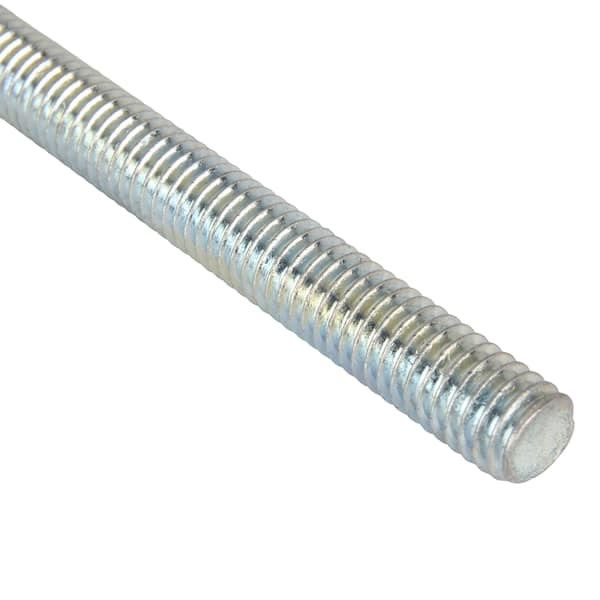
Six-foot lengths of 3/8-16 rod for hanging air handlers, unit heaters, and strut. Cut it square. A crooked end eats the nut.
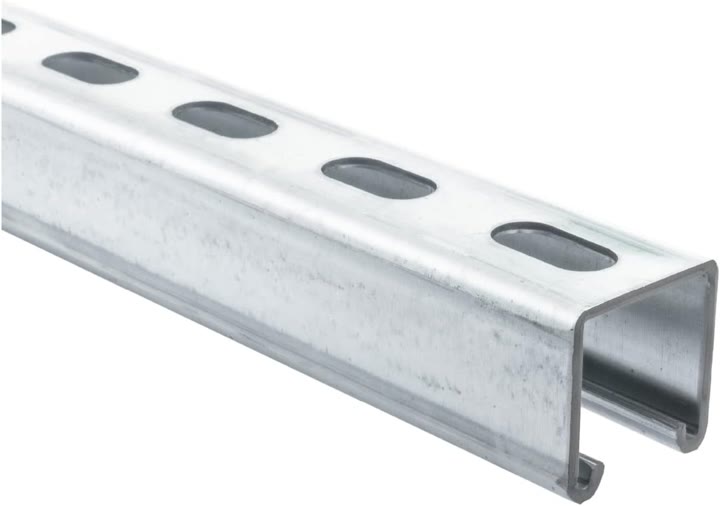
1-5/8 inch slotted strut, ten feet, for hanging equipment and building a rack that is not made of scrap wood.
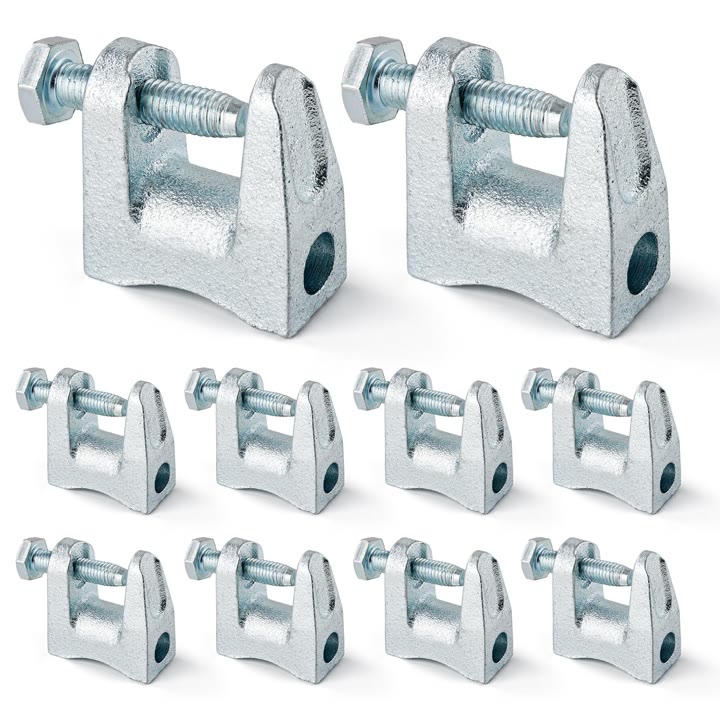
Beam clamps that take 3/8 inch rod without drilling a bar joist you do not own. Torque them. A spun clamp drops an air handler.
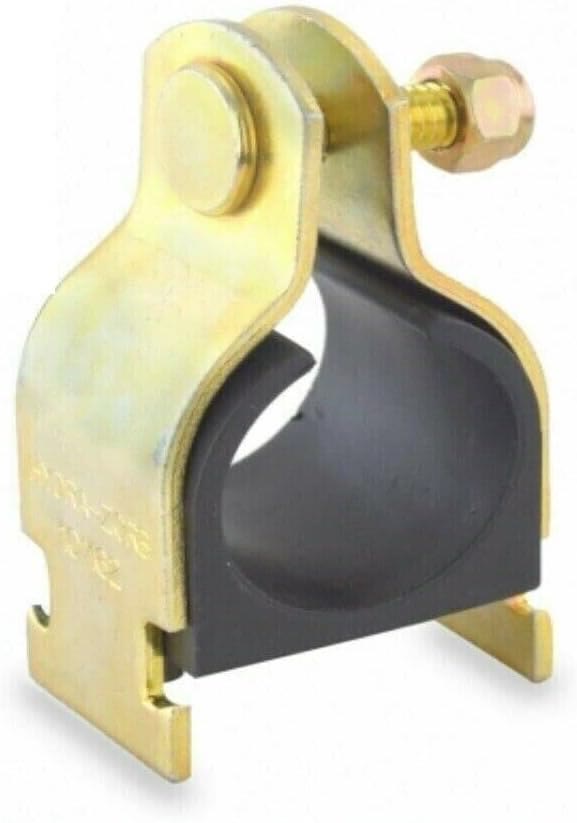
Cushioned clamps for 3/8 and 3/4 inch tube so line sets do not telegraph into the structure. Metal straps on bare suction lines sweat and rot.
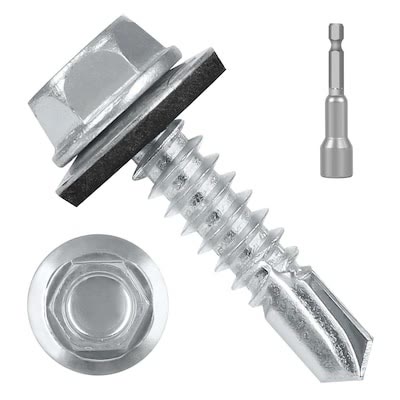
Sheet-metal screws in the lengths that hold duct, boxes, and condenser tops. A mixed bin beats a coffee can of mystery screws.
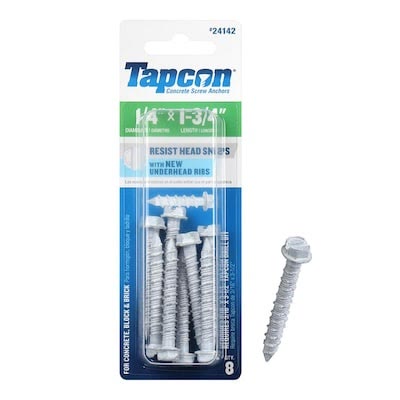
Concrete screws for pads, brackets, and disconnects on block. Use the right bit. A dull bit makes a hole that will not hold.
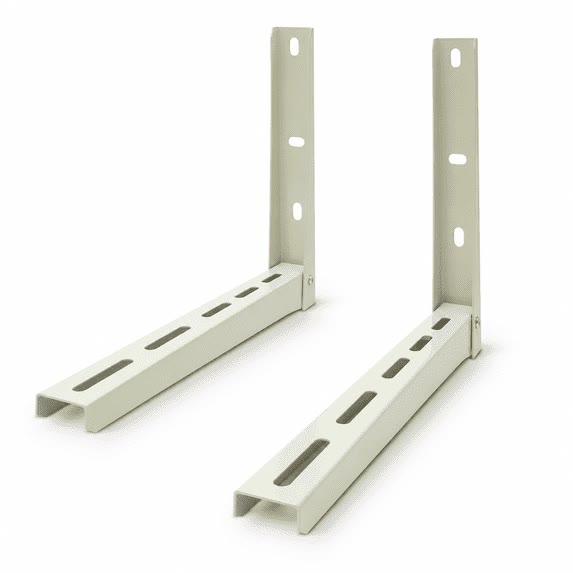
Powder-coated wall bracket rated for a residential mini-split condenser. Level it, and do not hang the unit on drywall anchors.
J-hooks that carry an insulated line set without crushing the armaflex. Space them so the line does not sag into a trap.
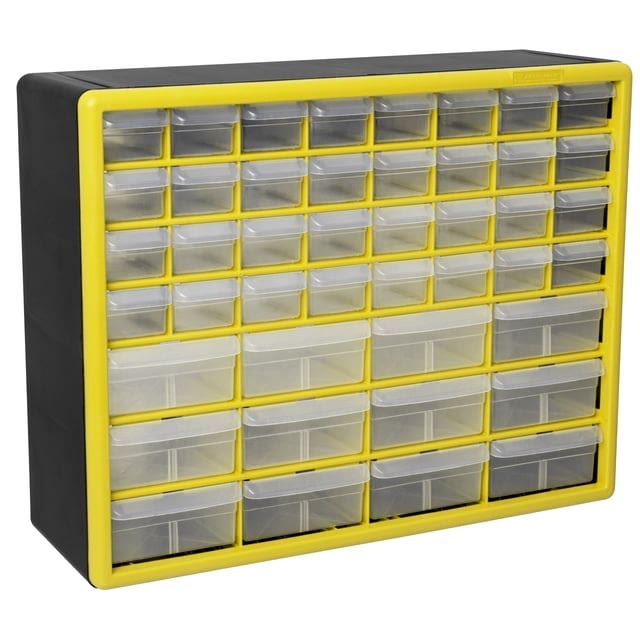
Small-parts cabinet for cores, wire nuts, terminals, and the screws that otherwise live in open cups. Label the drawers the day you fill them.
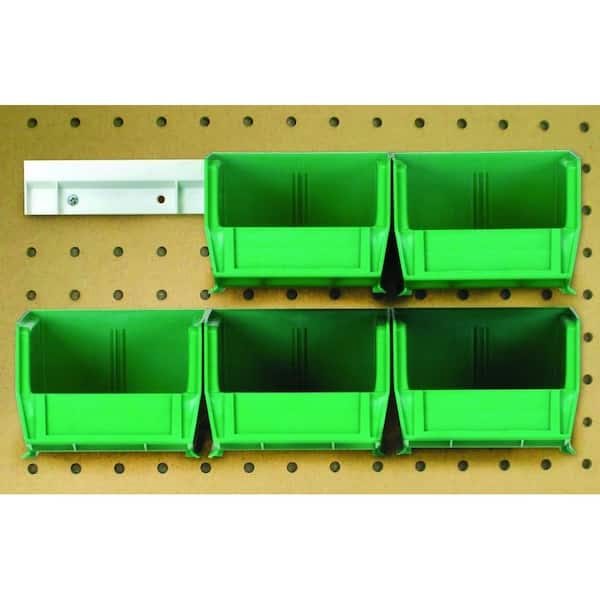
Open hanging bins for capacitors, contactors, and motors you need to see from the aisle. Clear fronts beat a closed box you never open.

Industrial shelving tall enough for line-set cartons and pumps without stacking them on the floor. Bolt it to the wall.

Laminated-label printer for bins, shelves, and the disconnect you just replaced. Handwritten tape lasts until the first humid week.

Black-on-white laminated tape for the PT-D210. Buy it in multiples. The maker is useless the day the cassette runs out.
A pad of bin labels for the week the label maker is in someone's truck. Use the part name and the size, not 'misc'.
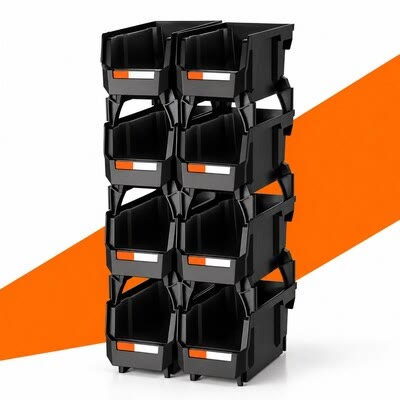
A shallow bin dedicated to dual-run capacitors and contactors so the values stay separated. Mixing 35/5 and 45/5 in one tub is how the wrong can gets installed.
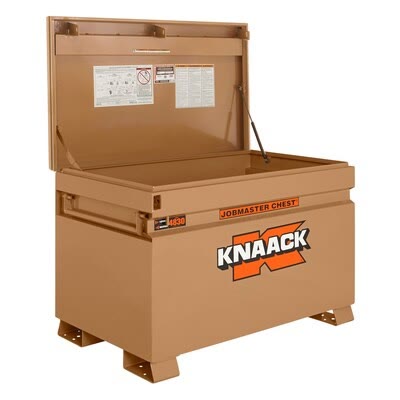
Lockable steel chest for truck stock that should not sit in the open bed. Cores, gauges, and the leak detector do not belong under a seat.

A case of 8.5 by 11 inch, 20 lb copy paper for work orders, invoices, and the printer at the dispatch desk. Keep one case unopened so a Monday morning does not start with a hardware-store run.
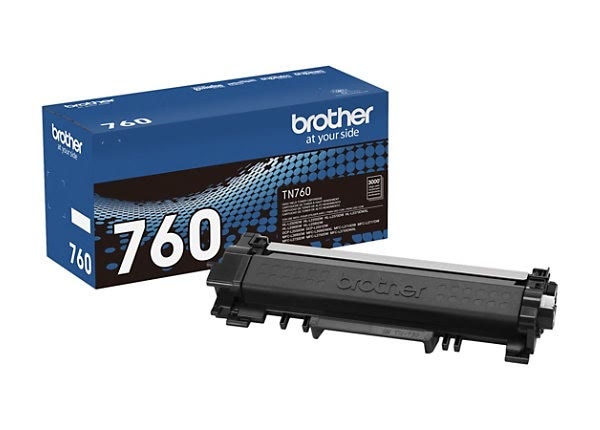
Black toner cartridge for the common Brother laser printers on a shop desk. Swap it before the pages start streaking through the middle of a stack of invoices.
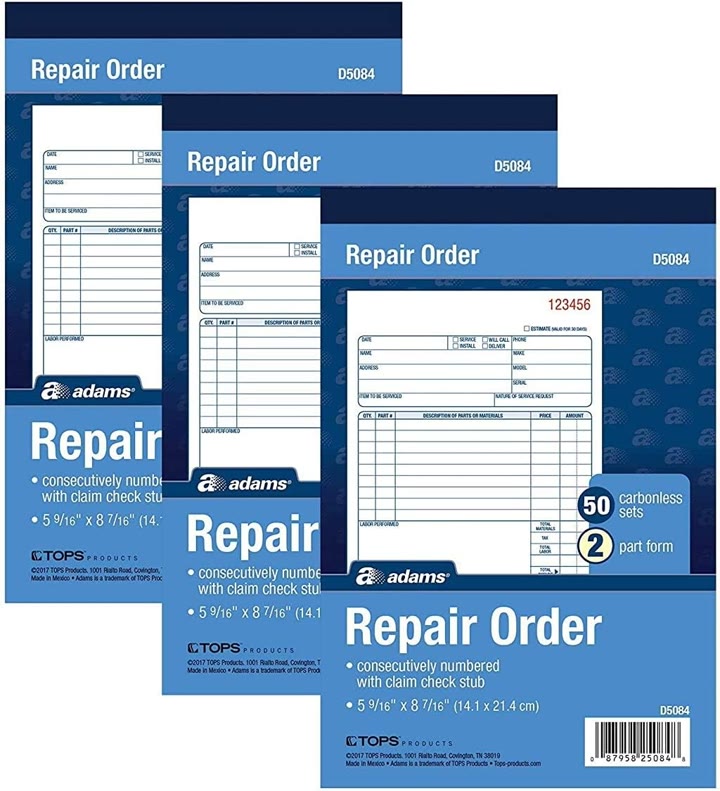
Two-part carbonless work orders for the calls that still get written by hand. One copy stays in the book, one goes with the tech or the customer.
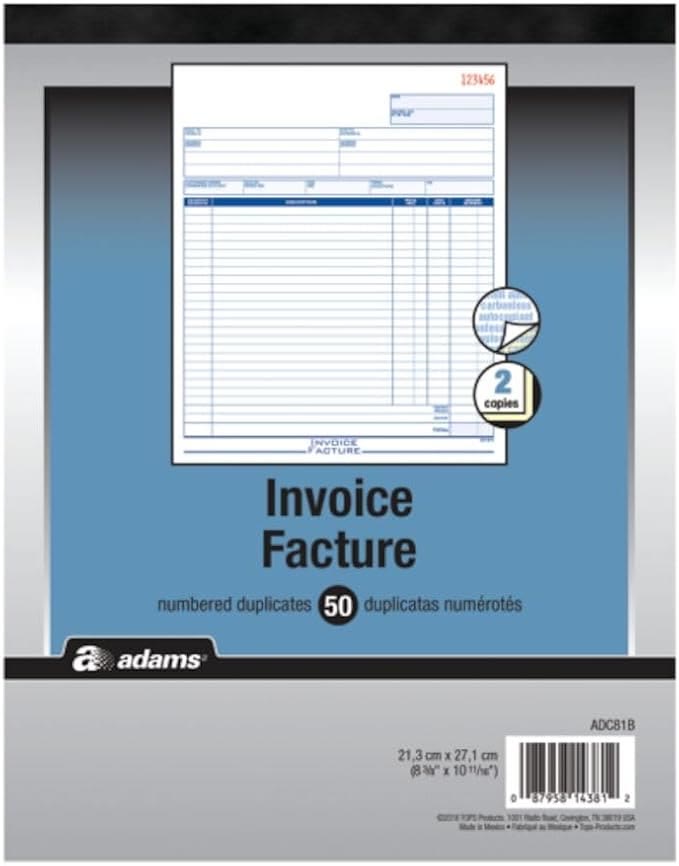
Carbonless invoice book for the customer who wants a paper bill before the truck leaves. Numbered pages make the office copy easy to file.
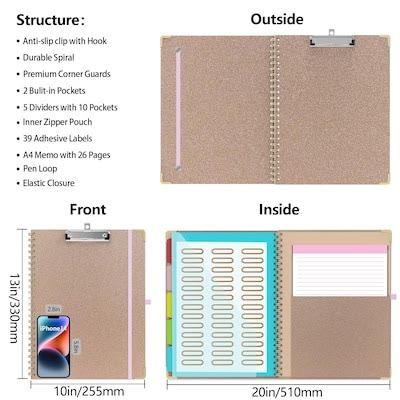
A clipboard with a storage compartment for the work order, the permit, and a pen. One belongs in each truck and two more at the dispatch counter.

Black fine-point Sharpies for labeling boxes, writing on tape, and marking a filter size. They disappear from the desk, so buy them by the box.
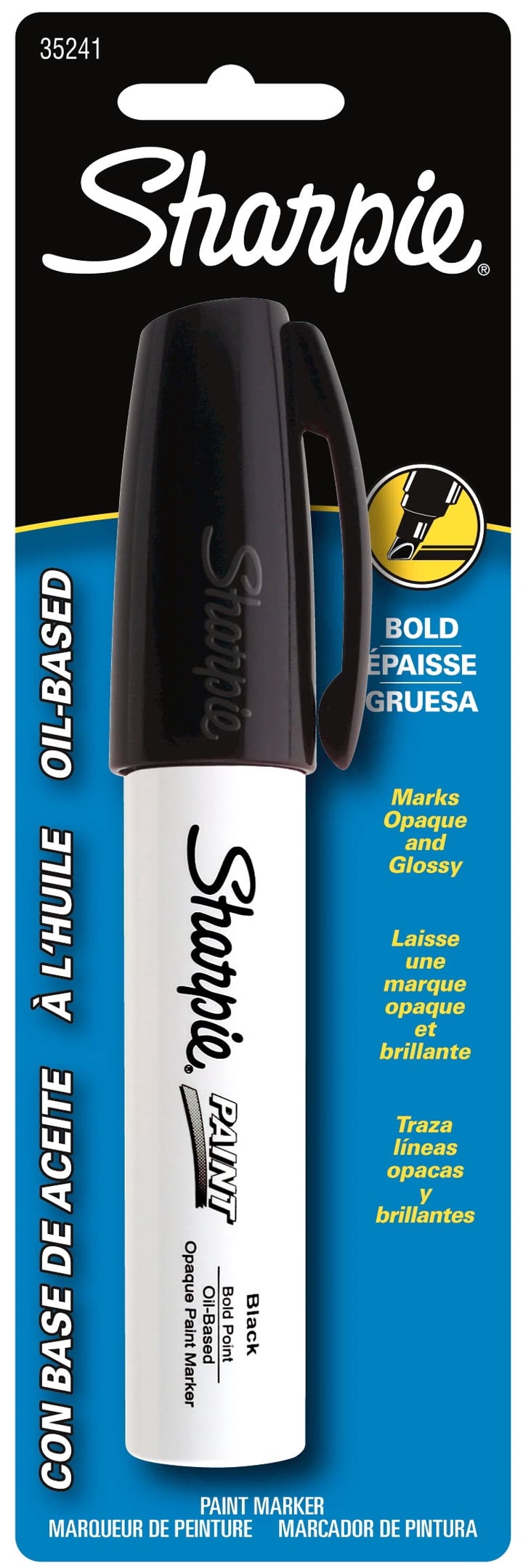
Oil-based paint marker for equipment tags, condenser panels, and any surface a regular Sharpie will not hold. Black covers the jobs that get wiped down.

Letter-size hanging folders for open jobs, paid invoices, and the permits that have to be found again. A box lasts until the drawer fills up.

Super Sticky 3 by 3 inch notes for the dispatch board, the printer, and the message that has to stay on a truck key. The regular pads fall off.
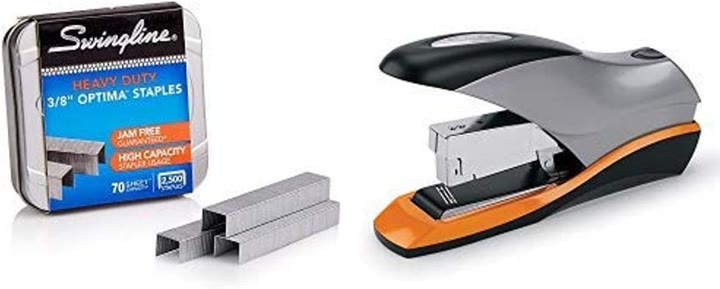
A full-size desktop stapler for invoice packets and signed work orders. Keep a box of standard staples in the same drawer.
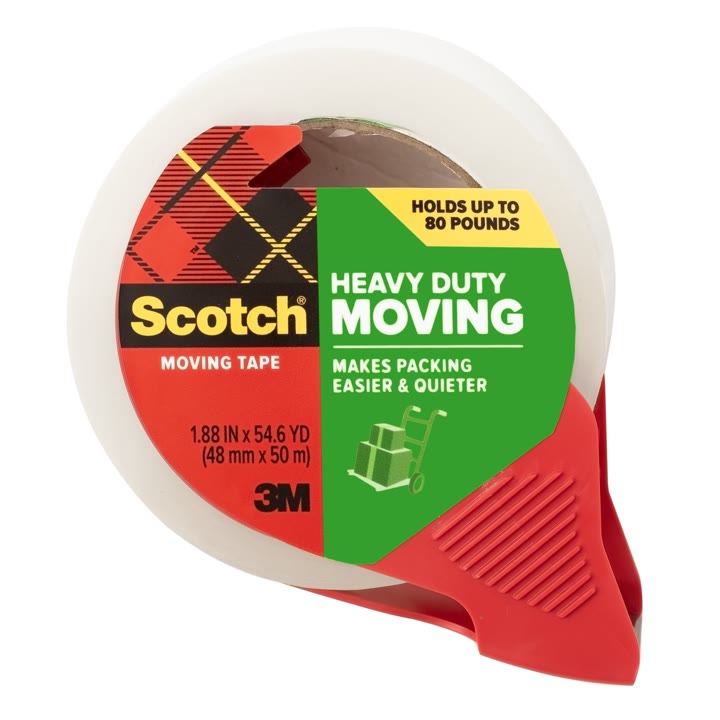
Clear packing tape for parts boxes going back to a supplier and for the cartons that leave with a warranty return. A desktop dispenser keeps it from vanishing into a truck.
Two by four inch shipping labels, Avery 5163, for warranty returns and the parts that go out by mail. They feed a normal laser printer.